Several documented cases in Cuba highlight the significant risks involved in investing on the island, particularly for entrepreneurs attempting to establish businesses in a system dominated by the communist regime. Sudden shifts in regulations, a lack of legal security, along with bureaucratic hurdles and corruption, create a formidable barrier that could deter anyone from investing in the country.
Juan Carlos Hernández Mora's Ordeal
Juan Carlos Hernández Mora, a Cuban-German who left behind 12 years of life in Europe, returned to the island to invest and reconnect with his roots. Now, at the age of 52, he faces a 12-year sentence, has lost his hostel and house, and is banned from leaving Cuba until 2030. After repatriating in 2008, he purchased a colonial house in the historic center of Trinidad and opened a tourism business that supported him and allowed him to help those in need. "I missed my country and my customs... I thought I could make it here," he shared with Martí Noticias.
In 2019, Hernández was arrested, and a year later, in a closed-door trial, he was convicted of pimping, bribery, and electricity fraud. He claims the accusations are baseless and insists that all individuals involved were adults, without coercion or deceit. Following the sentencing, the state seized his property and relocated his family to a modest apartment on the outskirts of Trinidad.
The Case of Armando Unsain Bartolomé
In 2021, Armando Unsain Bartolomé, a Spanish national and supporter of the regime who owned the boutique hotel La Colonial 1861 in Havana, was ordered by the Ministry of the Interior to leave the island within 30 days or face deportation. Authorities accused him of violent behavior and claimed he had been investigated for serious crimes, which he vehemently denied. The document provided by MININT stated that the Spaniard "has been prosecuted for disturbing public order and investigated as a presumed suspect in offenses related to corruption of minors and drug trafficking, leading to the temporary cancellation of his rental license. He has exhibited behavior contrary to social norms and failed to integrate adequately into the community where he resides." Despite his political alignment and investment in the tourism sector, he was forced to leave Cuba, condemning the situation as an "injustice" and "arbitrary exile."
The "Cuban Costco" Incident
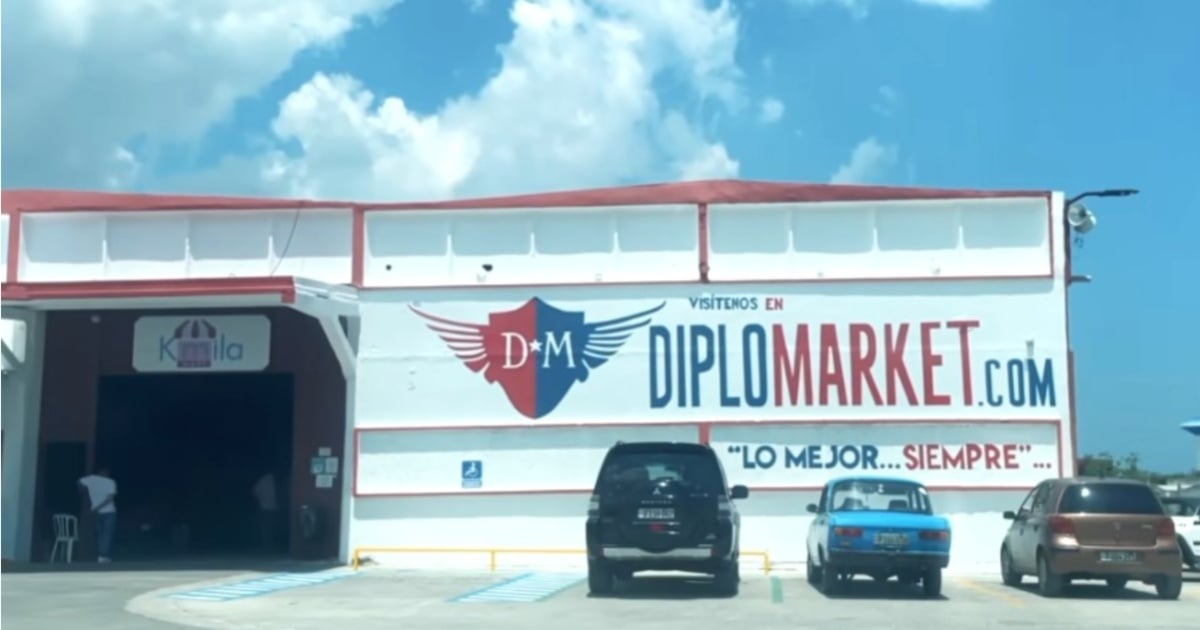
Cuban-American entrepreneur Frank Cuspinera Medina, founder of Diplomarket, known as the "Cuban Costco," was arrested in 2024 under allegations of tax evasion, currency trafficking, and money laundering. His business was seized by military forces, and all his assets were confiscated. On May 21, Cuspinera penned a handwritten letter from prison, denouncing the lack of legal guarantees in his proceedings and calling for intervention from international bodies and the U.S. Department of State. In his letter, he criticized the State Security and Cuban judicial system, accusing them of fabricating charges without granting him an effective defense.
These incidents have severely impacted the confidence of the private business sector in Cuba. Many perceive these arrests and expropriations as a cautionary display by the government to intimidate those considering private investment. Others view them as victims of an unpredictable legal system.
Laritza Diversent, a lawyer and director of Cubalex, speaking with Mario J. Pentón, criticizes the Cuban regime for using criminal law as a tool to seize valuable properties, particularly those renovated for tourism. "Today they might invite you to invest; tomorrow they imprison you and take everything away," she warned.
Understanding the Risks of Investing in Cuba
What are the main risks of investing in Cuba?
Investing in Cuba involves risks such as sudden regulatory changes, lack of legal protection, bureaucratic obstacles, and corruption, which can jeopardize business operations and investments.
How has the Cuban government impacted entrepreneurs?
The Cuban government has often been accused of fabricating legal charges to seize entrepreneurs' assets, using criminal law as a means to control and appropriate valuable properties.
What is the legal environment like for foreign investors in Cuba?
The legal environment in Cuba is unpredictable, with frequent changes in regulations and lack of judicial transparency, making it a challenging landscape for foreign investors.