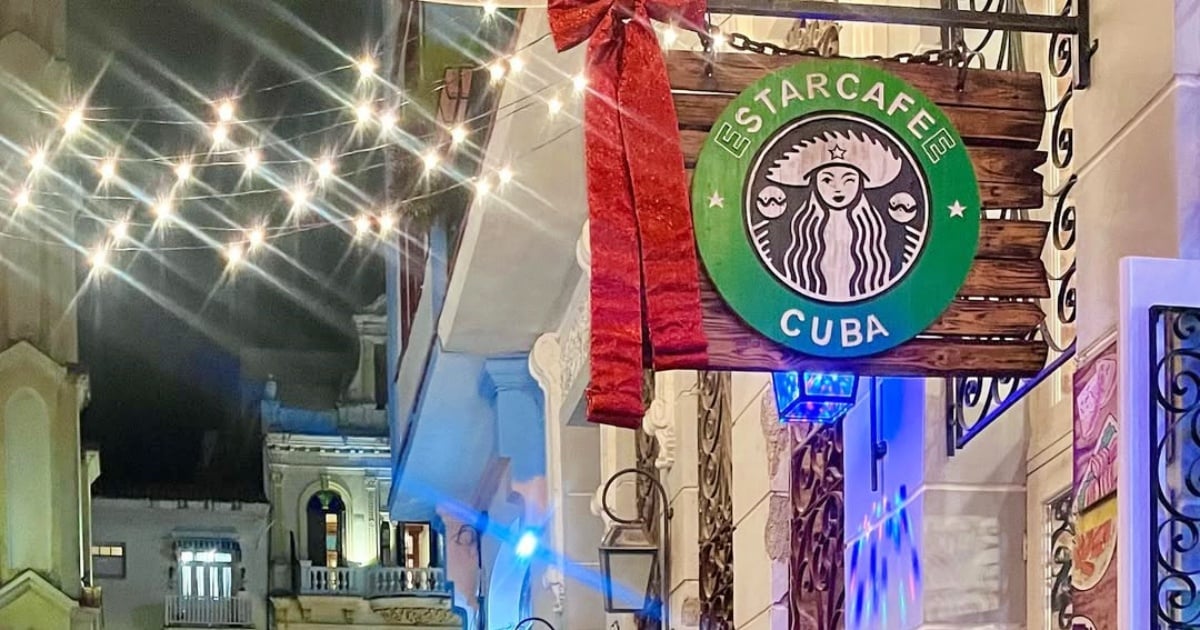
Although American franchises don't officially operate in Cuba, this hasn't stopped a surge of privately-owned cafes and restaurants from crafting their own versions of global brands like Starbucks, Burger King, or KFC. These ventures are born from creativity and seizing opportunities, blending recognized symbols with Cuban cultural flair.
For a considerable portion of the population, however, these establishments remain distant aspirations. Visible on social media, they are financially out of reach for those earning an average state salary. The introduction of mobile internet in 2018, paired with the reopening of the private sector in 2021, laid the groundwork for businesses in central Havana neighborhoods, where you can now order a frappuccino with your name on the cup, a fried chicken combo via touchscreen, or a "crowned" burger without leaving Cuba. While the image is aspirational, for many, it's more about capturing a moment for Instagram than experiencing genuine consumption.
The Rise of "Starcafé": A Viral Phenomenon
Positioned opposite the famous Bodeguita del Medio, Melisa García, a barista, dons a green apron with a mermaid logo, calling out names written on cups as she serves frappuccinos. This place, known as Starcafé, opened its doors in 2023. With Cuban music in the background, its menu swaps out cold sandwiches, and patrons often come for the photo op rather than to work on their laptops.
"We've gone viral quite a bit; people know us through 'reels.' Many young influencers visit to review both our coffees and dishes," Melisa shared with EFE. For the staff, the influx of under-35 customers seeking selfies was expected, many inspired by relatives in Florida. Yet, beyond the Instagrammable façade, Starcafé's prices remain out of reach for countless Cubans, except those receiving remittances or working in the private sector with foreign currency earnings.
Embracing Global Formats, Cuban Style
In 2024, besides Starcafé, Havana saw the opening of a KFC-style restaurant with touchscreen ordering and a burger joint named Burger Queen. Andy García, a partner at the establishment, describes their approach: "We think about what's popular worldwide. What evokes thoughts of a burger? Naturally, Burger King comes to mind."
García emphasizes offering experiences that were once unattainable. "Leaving Cuba is challenging for many. With internet access, we now engage more with social media and foreign products, sparking curiosity. In a way, these businesses provide Cubans a taste of that experience."
Yet, this "taste" is often limited. Access isn't just about interest but also economic means. Even though Burger Queen's menu is cheaper than its global counterpart, it still exceeds what many families can afford without sacrificing essential expenses.
The Allure of Aspirational Dining and Local Twists
Both Melisa and Andy recognize the aspirational element. The cup with a name, the ordering screen, or the burger combo transcend mere products, symbolizing global belonging. While these places maintain iconic elements—colors, rituals, aesthetics—they adapt everything else:
- Music and ambiance tailored to local culture.
- Menus replacing cold sandwiches with dishes suited to Cuban tastes.
- Ingredients and recipes adjusted to market availability.
- Marketing leveraging influencers and viral "reels."
Between Isolation and Emergent Opportunities
Since 1959, and exacerbated by Washington's sanctions, American franchises were absent from the Cuban landscape. Recent private sector openings and internet access have enabled entrepreneurs to align with global trends, sometimes clashing with official sectors that view these influences as "cultural colonization," as once noted by the Granma newspaper.
In Cuba, "experiencing" a global brand doesn't equate to consuming the original product but rather its local interpretation—a blend of online visuals and what can be served on a Havana table. For a well-off minority, it's an enticing novelty; for the majority, it remains a distant showcase of globalization, beyond financial reach.
Understanding Cuban Business Adaptations
How have Cuban businesses adapted American franchise concepts?
Cuban businesses have creatively adapted American franchise concepts by infusing local culture into the aesthetics and menu items, maintaining iconic symbols while adjusting to local tastes and available resources.
What role does social media play in the popularity of these Cuban businesses?
Social media plays a significant role by spreading viral content, drawing in young influencers, and creating a sense of aspiration and global connection, despite the economic barriers many face.
Why are these global-inspired Cuban businesses considered aspirational?
These businesses are aspirational because they represent symbols of global belonging and modernity, offering experiences that align with international trends, despite being financially inaccessible to many.