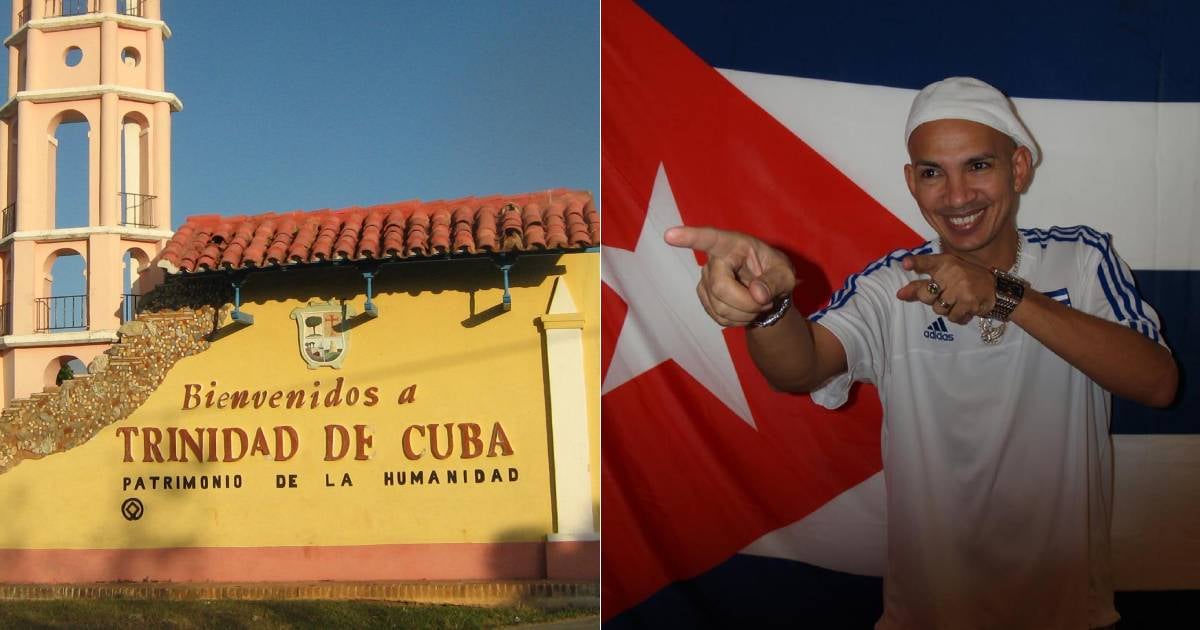
What began as a hopeful return home has turned into a nightmare for Juan Carlos Hernández Mora, a Cuban-German who left behind 12 years of life in Europe to invest in Cuba and spend his days near his roots. At 52, he faces a 12-year prison sentence, without his hostel, home, and barred from leaving Cuba until 2030, according to a report by Martí Noticias journalist Mario J. Pentón.
Hernández Mora repatriated in 2008, purchasing a colonial house in Trinidad's historic center and launching a tourism business that allowed him to live comfortably and assist those in need. "I missed my country, my customs... I thought I could make it here," he told Martí Noticias.
Unjust Accusations and Legal Struggles
However, everything changed in 2019 when he was arrested. A year later, in a closed-door trial, he was convicted of pimping, bribery, and electricity fraud. He claims the charges are baseless and that all individuals involved were consenting adults without coercion or deceit. Following the conviction, the state confiscated his property and relocated his family to a modest apartment on the outskirts of Trinidad.
Pattern of Expropriations
Laritza Diversent, lawyer and director of Cubalex, spoke with Pentón, highlighting how the Cuban regime uses criminal law as a tool to seize valuable properties, particularly those refurbished for tourism. "Today they invite you to invest; tomorrow they imprison you and take everything," she warned.
Hernández Mora was released on parole in 2024, yet his dual citizenship offers no path back to Germany. "I just want to finish my sentence and return... I deeply regret coming back to Cuba," he says bitterly.
The German government has confirmed it maintains contact and provides consular assistance, though details remain undisclosed. Meanwhile, Hernández remains trapped on the island, serving as yet another cautionary tale of the risks faced by those who choose to return and invest under the rule of a state that fails to provide legal security.
Other Investors' Misfortunes
In 2021, Spanish national Armando Unsain Bartolomé, a vocal supporter of the regime and owner of La Colonial 1861 boutique hotel in Havana, received an Interior Ministry order to leave the island within 30 days or face deportation. Authorities accused him of violent behavior and serious crimes, which he vehemently denied. Despite his political stance and investment in tourism, he was forced to leave, decrying the "injustice" and "arbitrary exile."
More recently, Cuban-American businessman Frank Cuspinera Medina, founder of the supermarket Diplomarket, dubbed the "Cuban Costco," was detained in 2024 on charges of tax evasion, currency trafficking, and money laundering. His business was seized by military forces, and all assets confiscated. Currently, he has spent over a year in pre-trial detention and staged a hunger strike in June, protesting an arbitrary judicial process and fabricated charges.
FAQs on Investing in Cuba
What are the risks of investing in Cuba?
Investing in Cuba poses significant risks, including potential government expropriation of assets, lack of legal security, and possible arbitrary legal actions against investors.
Can dual citizenship protect investors in Cuba?
Dual citizenship does not necessarily protect investors from legal issues in Cuba, as seen in the case of Juan Carlos Hernández Mora, who remains unable to leave the country despite his German citizenship.
How has the Cuban government treated foreign investors recently?
The Cuban government has shown a pattern of confiscating properties and expelling or detaining foreign investors under various charges, raising concerns about the legal environment for foreign investment.