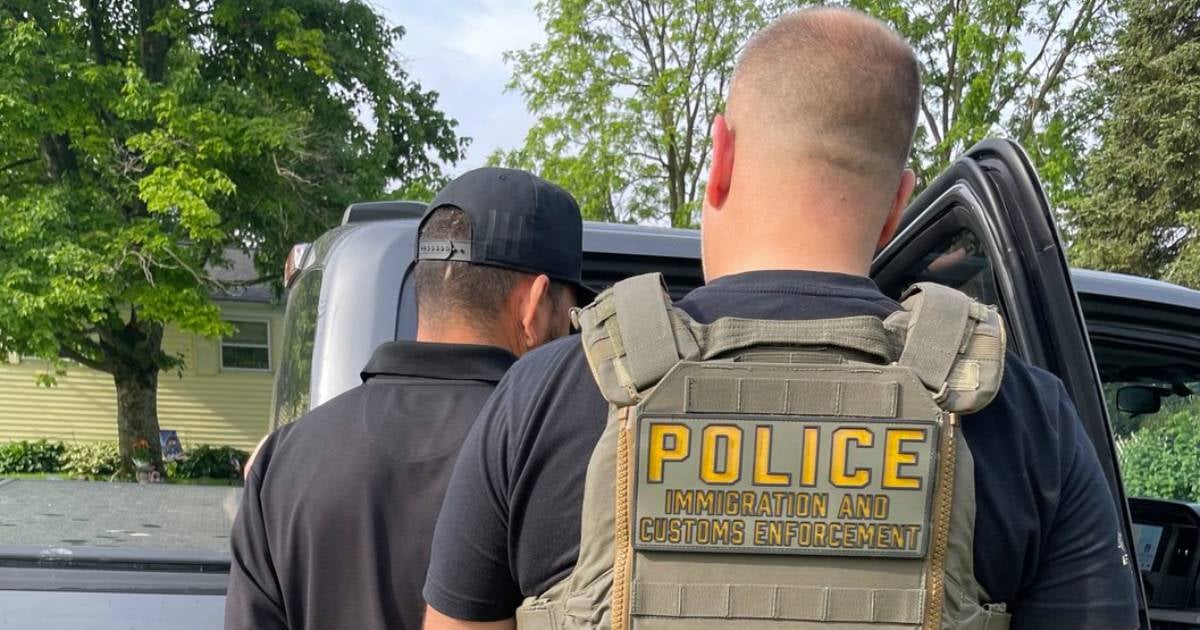
Ariel Figueredo López voluntarily visited the Osceola, Arkansas police station to address a traffic ticket that had his name mistakenly recorded. Instead of resolving the issue, he found himself under arrest. "They told him he wasn't in the system because the name was incorrect. Then they detained him and said he'd be deported to Cuba," his partner, Eliani Rusindo, shared with the newspaper El País, which highlighted the case last Tuesday.
For the past five months, Ariel has been held in a Louisiana detention center operated by Immigration and Customs Enforcement (ICE), without any criminal charges or the option for bail. He had legally entered the United States in April 2023 through the CBP One program, with a temporary permit to live and work. In just over a year, he managed to find employment, start a relationship, relocate between states, and build a new life alongside other Cuban migrants.
The Struggles of Starting Over in the U.S.
Like many other Cubans arriving with nothing, Figueredo invested everything into his work. Initially involved in solar panel installations in Georgia, he later took up delivery work with Doordash and secured a new contract in Arkansas. Together with his girlfriend, they made a down payment on a 2018 KIA Sedona, rented a shared home, and even obtained credit cards. They aspired to return to Nebraska, where his brother resides.
Impact of Strict Immigration Policies
According to El País, Figueredo's situation reflects the intensified immigration crackdown under the Trump administration, which has accelerated deportations even for minor infractions. The tightening of immigration policies has led to numerous arrests without criminal convictions or records, causing severe consequences for families, including loss of income, debt, asset seizures, and the threat of deportation to countries where they face potential retaliation.
His brother and sister-in-law have spent over $2,500 on an immigration lawyer and continue to pay $500 monthly fees to prevent his deportation. Meanwhile, his girlfriend had to return to Florida. She managed to maintain car payments for two months, but this week a dealership tow truck repossessed the vehicle. "We wanted to buy a house, start a family, do many things. But in the end, we lost everything. The things we had, that we had been buying little by little. Even the clothes," Rusindo lamented.
Uncertain Future and Lingering Fears
Figueredo left her the PIN for his Doordash account to access the funds, and she was able to obtain some money from his Chase account, but the credit cards were left in shambles. "He had good credit," his partner recalls. Today, all that remains is uncertainty. The family fears that if Ariel is sent back to Cuba, he might end up in jail. Having expressed opposition to the regime, like many exiled Cubans, he knows that a forced return could cost him his freedom.
Understanding the U.S. Immigration System
What led to Ariel Figueredo López's arrest in Arkansas?
Ariel was arrested after attempting to correct a traffic ticket with an incorrect name at a police station, where he was unexpectedly detained and informed of impending deportation to Cuba.
Why is Ariel at risk of deportation despite having no criminal charges?
Ariel's risk of deportation stems from the strict immigration policies that expedite deportations even for minor infractions, leaving many like him detained without charges or bail options.
What are the consequences for families facing such immigration challenges?
Families experience severe impacts, including financial losses, accumulating debt, asset repossession, and the threat of deportation to countries where they could face reprisals.