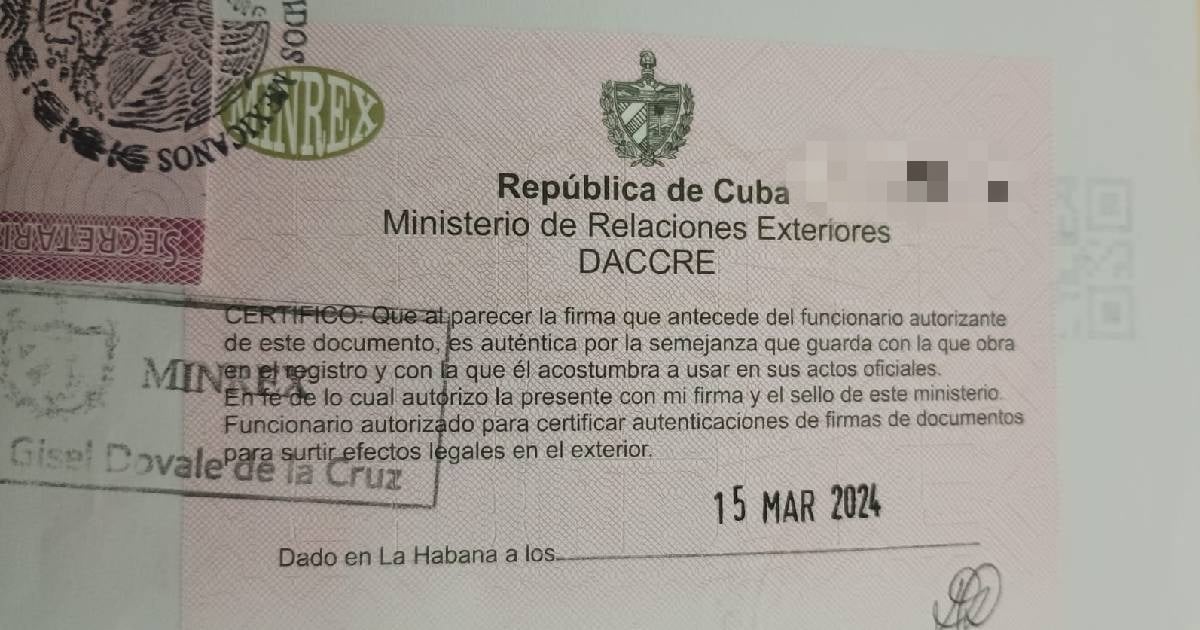
Thousands of individuals, including young people eager to study abroad, professionals seeking to validate their degrees, and citizens applying for Spanish nationality under the Democratic Memory Law, remain ensnared in a system that, despite official statements, fails to provide clear assurances or adhere to timelines for legalizing university degrees.
In theory, the process of legalizing academic documents, such as diplomas, transcripts, or syllabi, should take 45 business days from the moment the request is received by the university. However, in reality, this timeline is seldom met, as reported by Cubahora. The reasons for the delays are numerous, ranging from a surge in applications since 2019, staff shortages in archives and administrative offices, a lack of transportation between university sites, power outages during work hours, and frequently, the absence of required files in the archives.
Challenges and Bureaucratic Hurdles
During a press conference, officials from the Ministry of Higher Education (MES), as noted by Cubahora, confessed that they are not meeting the deadlines and that often, errors in documents necessitate restarting the entire process. Despite the formation of a temporary task force and the aim to update regulations that have been in place since 2014, bureaucracy and bottlenecks continue to prevail.
As of February 2025, the Ministry of Justice (Minjus) took over the responsibility of legalizing documents, a task previously managed by the Ministry of Foreign Affairs. According to official figures, over 600,000 documents were legalized in just six months of this year. However, these numbers do not capture the frustration of those still waiting for their papers.
Systemic Collapse and Alternative Routes
Minjus itself acknowledges that the most significant delays occur in obtaining the initial documents, particularly those from universities where the system is overwhelmed. Daily processing limits—100 documents for some law firms, 50 for others—and the sporadic arrival of document shipments from the provinces exacerbate the issue.
In the face of desperation, many Cubans turn to the black market, where the same documents can be procured within days if one is willing to pay a hefty price. Bribery is rampant and often deemed necessary to leave the country, pursue education, or meet legal requirements for urgent migration processes.
Among Cubans enduring this ordeal, a common sentiment persists: they simply want their diploma. It's more than just a piece of paper; it's a chance to start anew. Legalizing a document shouldn't be an endurance test. Yet, in a country where every procedure becomes a struggle, obtaining a legalized degree can take months, sweat, and frequently, under-the-table payments.
Understanding the Legalization Process in Cuba
Why does legalizing documents in Cuba take so long?
The delay in legalizing documents in Cuba is due to a combination of increased application volumes, insufficient staff, lack of transportation, and frequent power outages affecting university operations.
What role does the Ministry of Justice play in document legalization?
Since February 2025, the Ministry of Justice took over the responsibility of legalizing documents, a role previously held by the Ministry of Foreign Affairs, aiming to streamline the process.
How are Cubans coping with the document legalization delays?
Many Cubans, frustrated by the delays, resort to the black market where they can acquire legalized documents quickly by paying bribes, as they see it as a necessary step to pursue opportunities abroad or fulfill urgent migration requirements.