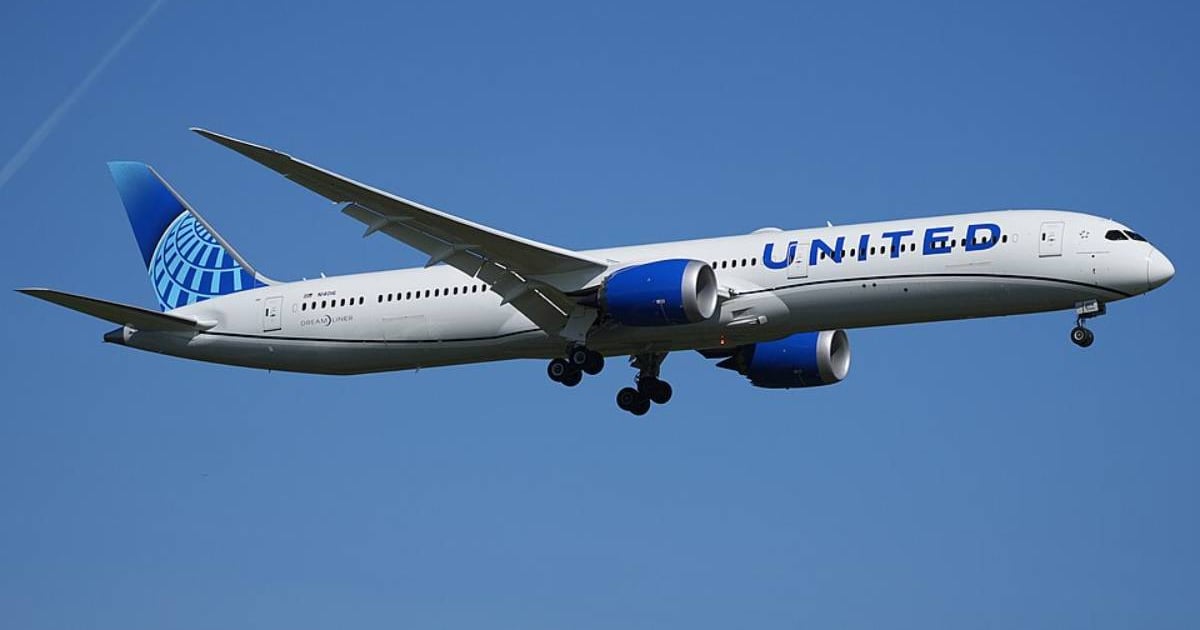
Starting September 2, United Airlines will cease its only regular commercial flight to Cuba, effectively cutting off the direct air link between Houston and Havana. This marks yet another setback in air travel connections between the United States and the Caribbean nation. The route, served by Boeing 737-800 aircraft from George Bush Intercontinental Airport to José Martí International Airport, was the sole direct connection outside of Florida.
Economic and Regulatory Factors Behind the Route Suspension
According to Aviación News, United informed the U.S. Department of Transportation (DOT) that it would end operations on this route for two primary reasons. The first is the low demand for flights to Cuba, rendering the route financially unsustainable. Secondly, the airline cited significant seasonal fluctuations in passenger traffic. United plans to resume the service in the summer of 2026 and has requested a waiver to retain its operational rights during the hiatus.
This decision also takes place amid tightening U.S. immigration policies towards Cuba and other countries in the region. In June, the Trump administration imposed new visa restrictions on Cuban citizens, and by August, it plans to introduce more stringent travel limitations, including bonds for some travelers, creating a climate of growing uncertainty for airlines.
Impact on U.S.-Cuba Air Travel Market
American Airlines currently dominates the U.S.-Cuba air travel market, holding 68.4% of available seats, followed by Southwest at 12.8%, Delta at 11.8%, and United, which accounted for just 7% of the traffic. Despite this suspension, United will continue to operate a weekly charter flight from Jacksonville to the Guantanamo Bay Naval Base, though this service is not open to the general public.
Broader Reduction in Cuban Flight Services
In June, American Airlines sought to temporarily suspend its Miami-Santiago de Cuba flight. Earlier in February, a flight between Cuba and the U.S. was reported to carry only six passengers, although it was heavily loaded with baggage sent by agencies. These evolving decisions cast uncertainty over the future of flights between the two nations, affecting mobility, informal trade, and family reunification for thousands of Cubans.
Back in July, CiberCuba had already reported United's intention to halt its Houston-Havana route due to ongoing declines in demand, passenger traffic seasonality, and escalating regulatory constraints.
Frequently Asked Questions About United Airlines and Cuba Flights
Why did United Airlines suspend its Houston to Havana route?
United Airlines suspended the route due to low demand and significant seasonal fluctuations, making the flights financially unsustainable.
When does United Airlines plan to resume the Houston-Havana service?
United Airlines aims to restart the service in the summer of 2026 and has requested a waiver to maintain its operational rights in the meantime.
How does the suspension of flights to Cuba affect travelers?
The suspension limits direct travel options between the U.S. and Cuba, impacting mobility, informal trade, and family reunification for Cuban nationals.