The U.S. Embassy in Cuba has issued strong criticism of the Cuban regime, accusing it of clinging to a "failed and corrupt" model while stifling any genuine discussion about its policies. "The Cuban regime continues to rely on a bankrupt and corrupt system, even decades later. Their true leaders are over 90 years old and have blocked any real debate about the validity of their failed policies," the U.S. Embassy in Havana stated on social media.
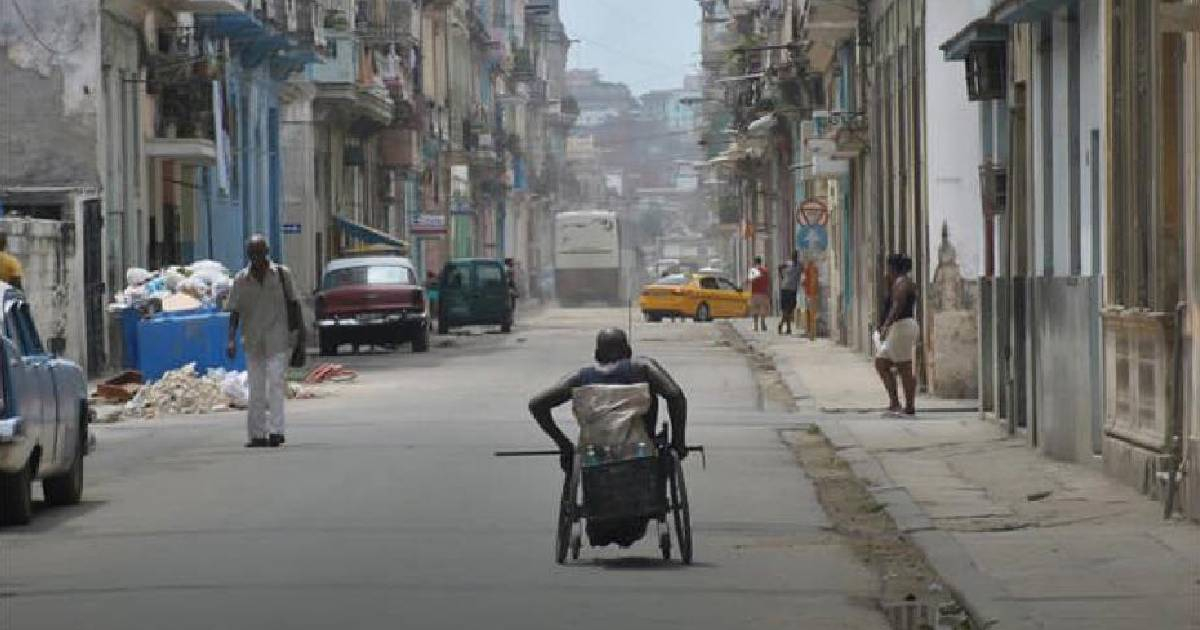
Additionally, the embassy shared a statement from July 21 where the U.S. State Department highlights that the Cuban people bear the brunt of this stubbornness, facing food shortages, power outages, a collapsing healthcare system, and constant repression. This document examines how the regime keeps pouring billions into tourist infrastructure controlled by military conglomerates like GAESA, FINCIMEX, and CIMEX, while hospitals crumble and Cubans struggle to access basic necessities such as milk, fuel, or medicine.
Despite hotel occupancy rates barely exceeding 30%, the Cuban government allocated more than 37% of its total investment for 2024 to the tourism sector, eleven times more than what was allocated to health and education combined. According to the U.S., this underscores that the regime prioritizes business interests linked to the elite over social welfare, the statement notes.
The statement also criticizes Nicolás Maduro's regime for following the same pattern of institutionalized corruption and propaganda, focusing on maintaining control rather than fostering development. Despite collecting over $1.7 billion in taxes in 2024, the minimum wage remained below $2 a month, while millions were funneled into military intelligence and political campaigns.
The crumbling infrastructure, widespread blackouts affecting at least 20 Venezuelan states, and the use of resources for internal repression are symptoms—according to the document—of a dictatorship that has mortgaged the country's future to stay in power. For the embassy, the issue in both Cuba and Venezuela is not economic policy mistakes but rather systems designed to benefit a corrupt and authoritarian elite.
Investments are not made based on the population's needs but according to the benefits they can generate for the power hierarchy. "These are not mistakes. They are features of the system," points out the ShareAmerica statement, an official site of the U.S. State Department. "Both regimes blame sanctions and external factors, but the root of their crises lies in decades of plunder, repression, and opaque governance," it says.
The United States urged the international community to continue denouncing the corruption, nepotism, and repression of both regimes and to amplify the voices of Cubans and Venezuelans demanding basic rights like food, electricity, and freedom of expression. The statement concludes that genuine change will only be possible with transparency, accountability, and an economy centered on citizens, not regime bureaucrats.
Understanding the Impact of Cuban and Venezuelan Regimes
What are the main criticisms of the Cuban regime by the U.S. Embassy?
The U.S. Embassy criticizes the Cuban regime for adhering to a failed and corrupt model, stifling genuine debate, and prioritizing business interests linked to the elite over social welfare.
How is the Cuban government allocating its investments according to the U.S. Embassy?
The Cuban government is allocating over 37% of its total investment to the tourism sector, significantly more than what is allocated to health and education, despite low hotel occupancy rates.
What similarities does the U.S. Embassy see between the Cuban and Venezuelan regimes?
The U.S. Embassy draws parallels between the Cuban and Venezuelan regimes in their institutionalized corruption, repression, and prioritization of control over development.