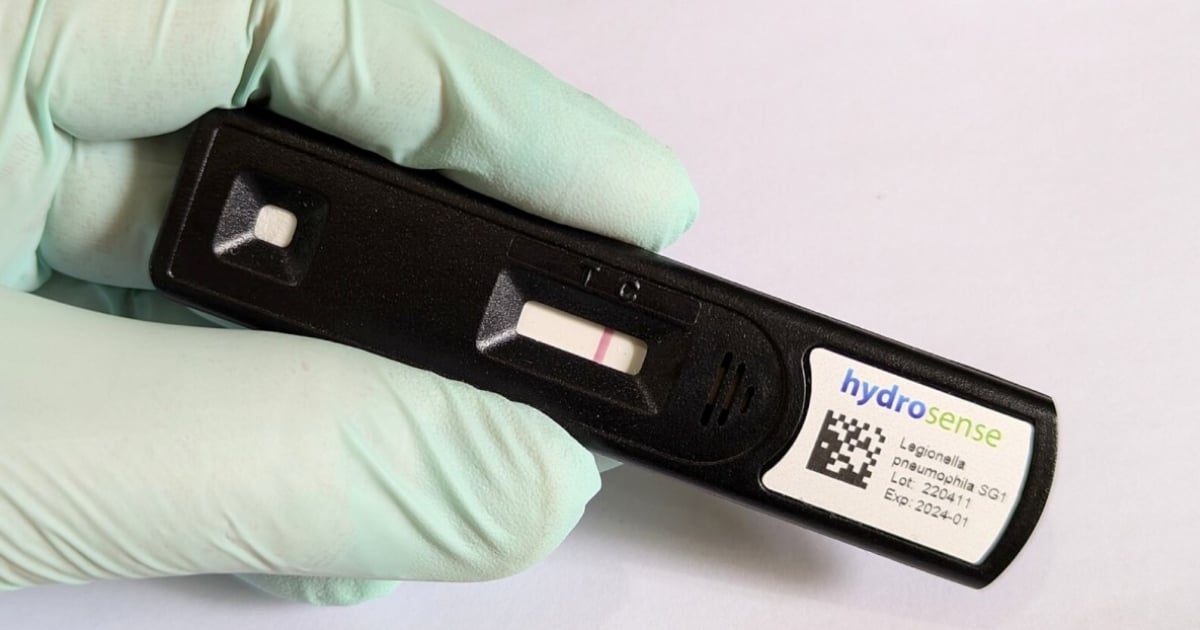
In recent news, Legionnaires' disease has resurfaced in the United States following an outbreak in New York City. The latest reports indicate that three individuals have died and 67 others have fallen ill. Although this isn't a new condition, its emergence in densely populated urban areas like Harlem, Manhattan, has caught the attention of health authorities and the general public.
What is Legionnaires' Disease?
Legionnaires' disease is a severe form of pneumonia caused by the bacteria Legionella pneumophila. The infection primarily targets the lungs and can lead to serious respiratory complications if not treated promptly. Initially, its symptoms may resemble a severe flu, but the disease can progress rapidly.
Recognizing the Symptoms
The Centers for Disease Control and Prevention (CDC) have outlined the following symptoms:
- High fever
- Persistent cough
- Headache
- Muscle aches
- Fatigue and difficulty breathing
- Occasionally, diarrhea, nausea, or confusion
Symptoms typically manifest between two and fourteen days after exposure to the bacteria, although they can sometimes take longer to appear.
Harlem Outbreak: A Closer Look
The recent outbreak has been concentrated in Harlem, New York, where the Department of Health has confirmed the presence of the bacteria in at least 11 cooling towers. These structures, part of centralized cooling systems for large buildings, provide an ideal environment for Legionella to thrive if not cleaned adequately. The majority of cases are located in ZIP codes 10027, 10030, 10035, 10037, and 10039. Health officials have mandated immediate remediation of the affected towers.
Transmission of Legionnaires' Disease
Unlike other respiratory infections, Legionnaires' disease is not spread from person to person. Instead, people become infected by inhaling small droplets of water contaminated with the bacteria. Common sources include:
- Cooling towers in large buildings
- Poorly disinfected hot tubs or spas
- Humidifiers and faucets
- Decorative fountains with stagnant water
- Extensive or poorly maintained plumbing systems
Cases have also been reported in newborns after water births and in hospitalized patients who consumed contaminated water. The CDC emphasizes the risk of inhaling mist or tiny droplets of contaminated water.
Air Conditioning, Summer, and Legionnaires' Disease
The New York outbreak has reignited concerns about the link between the disease and air conditioning systems. Experts clarify that domestic or vehicle air conditioners do not pose a risk as they do not use water to cool the air. The actual threat comes from centralized cooling systems that utilize water, especially if they are not regularly maintained. Moreover, the summer season heightens the risk as Legionella thrives in warm, humid environments, typically between 77°F and 113°F, exacerbated by the heavy use of cooling systems and stagnant water accumulation.
Who is Most at Risk?
While not everyone exposed will develop the disease, certain groups are more vulnerable:
- Individuals over 50 years old
- Smokers or former smokers
- People with chronic lung diseases
- Immunocompromised individuals or those undergoing chemotherapy
- Patients with diabetes, cancer, or liver or kidney failure
The disease rarely affects children, and when it does, it is usually mild.
Diagnosis and Treatment
Effective treatment of Legionnaires' disease involves appropriate antibiotics and early diagnosis. According to the World Health Organization (WHO), untreated infections can worsen within the first week, potentially leading to respiratory failure, shock, or multiorgan failure. Experts stress the importance of not underestimating symptoms and seeking medical attention immediately if experiencing high fever, cough, or unusual fatigue, particularly for those in high-risk groups.
Preventing Future Outbreaks
Preventive measures primarily focus on the proper maintenance of water systems in buildings and public facilities. Health authorities recommend:
- Regular cleaning and disinfection of cooling towers
- Maintaining adequate chlorine levels in pools and hot tubs
- Flushing unused faucets weekly
- Draining garden hoses
- Cleaning water filters and inspecting heaters twice a year
The CDC reminds us that the goal is to reduce the risk of Legionella bacteria multiplying and spreading. While the recent outbreak in New York has brought Legionnaires' disease back into the spotlight, it is not a new phenomenon. Significant past outbreaks have occurred, and the conditions facilitating its occurrence—poor maintenance, high temperatures, and complex water systems—remain prevalent.
Key Questions About Legionnaires' Disease
How is Legionnaires' disease transmitted?
Legionnaires' disease is transmitted through inhalation of small water droplets contaminated with Legionella bacteria, commonly found in cooling towers, hot tubs, and other water systems.
What are the symptoms of Legionnaires' disease?
Symptoms include high fever, persistent cough, headache, muscle aches, fatigue, and difficulty breathing. In some cases, diarrhea, nausea, or confusion may also occur.
Who is at higher risk for Legionnaires' disease?
Individuals over 50, smokers, those with chronic lung conditions, immunocompromised individuals, and patients with diabetes, cancer, or liver or kidney failure are at higher risk.