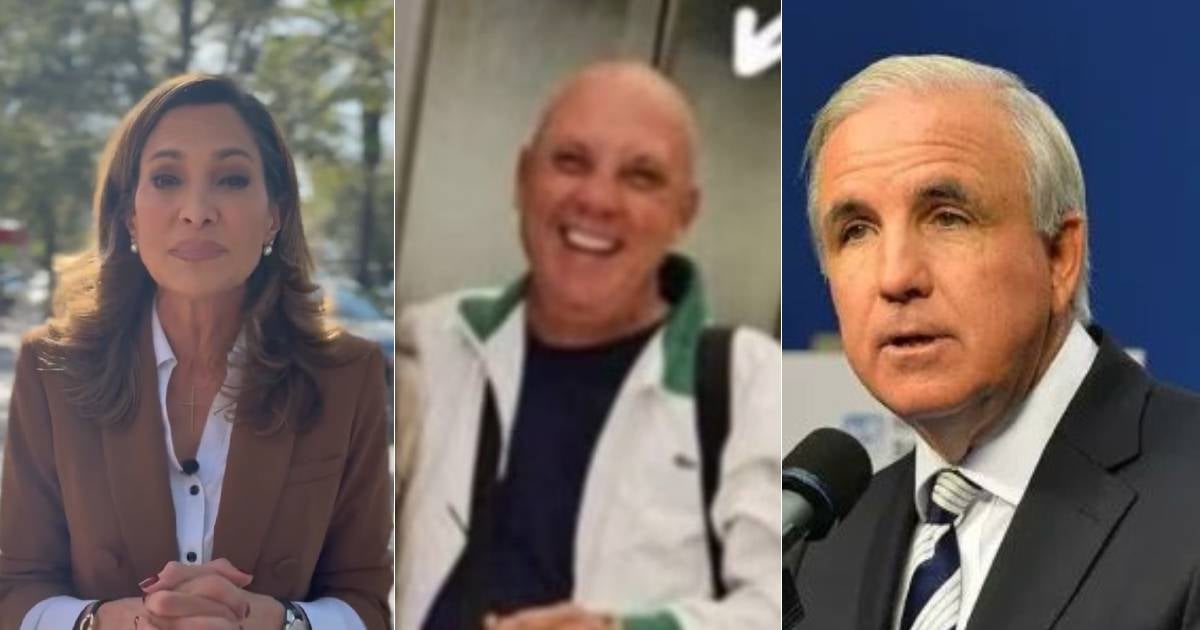
The recent arrest of Jorge Luis Vega García, a former lieutenant colonel from Cuba's Ministry of the Interior, who has been identified by numerous former political prisoners as a repressive agent, has been met with approval from Cuban-American lawmakers. They are calling for justice on behalf of the regime's victims. "No forgiveness or forgetfulness for oppressors!" stated Congresswoman María Elvira Salazar on social media. "Today, he tried to find refuge in the freedom he denied to thousands. The allies of communism are not welcome in the U.S.! Let him face justice and pay for every crime committed against the Cuban people!" she declared.
Congressman Carlos Giménez expressed similar sentiments, noting that immigration agencies are acting on the information provided to them to investigate and apprehend oppressors from Cuba's murderous regime who have infiltrated the USA.
From Cuban Prison to Florida Streets: The Journey of "Veguita"
Jorge Luis Vega García, known as "Veguita" by those who suffered under him, entered the United States on January 20, 2024, via Tampa Airport, under the humanitarian parole program, accompanied by his wife and son. His presence in the U.S. stirred outrage after journalist Mario J. Pentón exposed his repressive history at the helm of Agüica and Canaleta prisons in Matanzas.
According to testimonies gathered by Martí Noticias, Vega not only ordered physical and psychological torture but also personally led beatings and inhumane practices against political prisoners. He has been accused of denying medical care, imposing prolonged isolation, and even manipulating common prisoners to attack detained dissenters. "Veguita is one of those faces tattooed on your soul. He kept us without sunlight, in isolation. Once, a young man threw himself from the third floor to avoid a beating from him," recounted Pablo Pacheco Ávila from the Group of 75.
Exiled Voices and Calls for Justice
Cuban exile organizations and former political prisoners have condemned his entry into the country as an insult to victims and a significant failure in immigration controls. "I know peaceful opponents who were beaten and denied entry to the U.S. Meanwhile, this man walks freely on our streets," lamented Benito Ortega Suárez.
Congressman Giménez had previously sent a formal letter to Secretary of Homeland Security Kristi Noem, requesting Vega's deportation and providing documents linking him directly to systematic human rights violations. Although ICE confirmed the former officer's arrest on Tuesday, formal charges have not yet been announced. Activists and victims insist that the response should go beyond deportation and lead to a criminal investigation to set a precedent.
Concealment Efforts and Revelatory Documents
Two sources with access to classified information in Cuba claimed that Vega's file was erased from the Immigration and Foreigners system, a move they describe as a strategy by the regime to facilitate the exit of trusted ex-officials. Furthermore, his Facebook account was deleted following his arrival in the U.S.
Nonetheless, journalists have obtained documents bearing his signature in both Cuba and the U.S., confirming his identity and direct connection to the reported abuses. For those who experienced the regime's prison terror, "Veguita" is more than just a face; he is the embodiment of a system that continues to leave open wounds. "He would tell us to our faces: 'You will never leave here,'" recalled Fidel Suárez Cruz, who still suffers physical repercussions from the beatings.
The case reignites debate over the effectiveness of immigration programs like humanitarian parole and poses an uncomfortable question: how many others like Vega have escaped scrutiny and are living freely in the United States today?
Implications of Vega's Arrest and Immigration Controls
Why was Jorge Luis Vega García's arrest significant?
His arrest is significant because he is identified as a repressive agent who committed human rights violations against political prisoners in Cuba. It highlights the failure of immigration controls and the need for justice for victims of the Cuban regime.
What actions are Cuban-American lawmakers advocating for?
Cuban-American lawmakers are advocating for Vega to face justice in the U.S., either through deportation or a criminal investigation, to hold him accountable for his actions against the Cuban people.
How did Jorge Luis Vega García enter the United States?
Vega entered the United States on January 20, 2024, through Tampa Airport, under the humanitarian parole program, with his wife and son.
What has been the response from Cuban exile groups?
Cuban exile groups have condemned Vega's entry into the U.S. as an affront to victims and a failure of immigration controls, demanding justice and accountability.