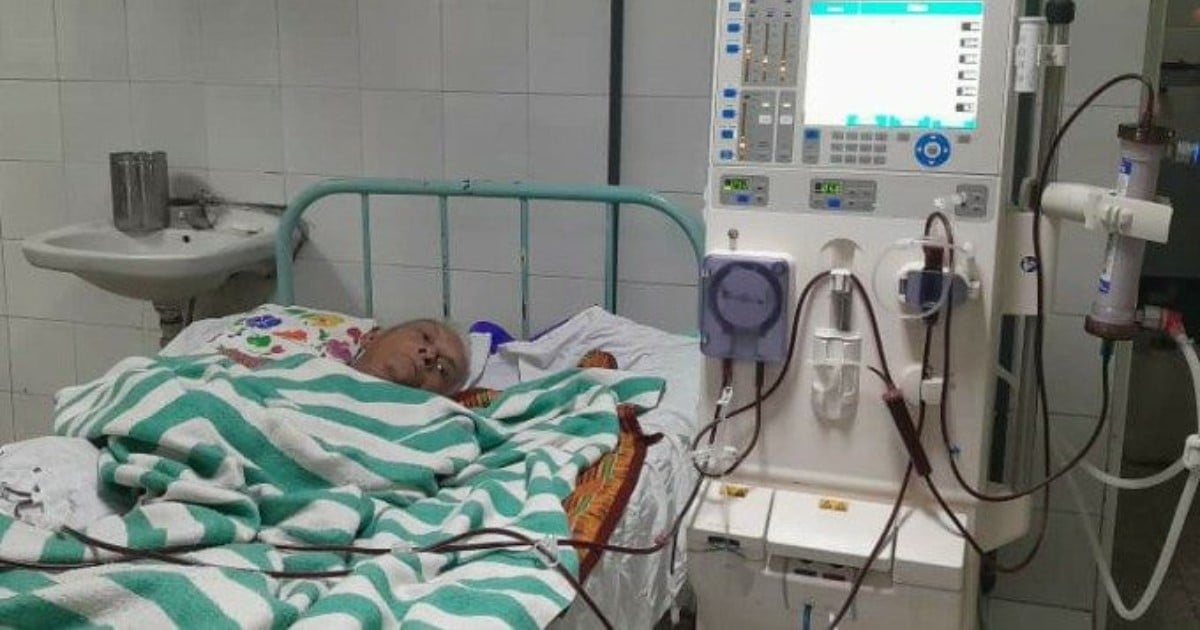
A Cuban doctor, whose child undergoes hemodialysis at the Celia Sánchez Manduley Hospital in Manzanillo, Granma, has vocally criticized the systemic abandonment faced by patients. These individuals endure frequent interruptions in their medical treatments, exacerbated by the authorities' lack of initiative to address the issue, thereby endangering lives. "We deserve respect," concluded Dr. Roselin Moreno in a powerful Facebook post this past Saturday. Her statement followed yet another cancellation of hemodialysis sessions due to the absence of sodium bicarbonate, an essential component of the medical procedure.
Driven by palpable frustration, Dr. Moreno set aside her usual reluctance to post on social media to highlight a deeply personal issue that has reached a critical point. She revealed that on the day in question, patients were unable to receive their treatments because of the bicarbonate shortage, despite widespread awareness of the consequences of missing treatments over the weekend, with no alternative until the following Tuesday.
Challenges Faced by Renal Patients
Dr. Moreno detailed the myriad medical complications faced by individuals with chronic kidney disease, including cardiovascular issues, acute pulmonary edema, chills, fever, fluctuations in blood pressure, hypoglycemia, bleeding from fistulas, catheter-related infections, hepatitis, and other conditions that worsen their health.
The doctor expressed her frustration, asking, "How long must we endure arriving for treatments only to find there's no water, concentrate, bicarbonate, or dialyzers, or that sessions start late due to lack of cleaning staff?" She emphatically stated, "What is lacking is human sensitivity. It's a blatant disrespect towards these patients and their families."
Institutional Failures and Call for Action
Moreno criticized the local leaders in Manzanillo, pointing out that despite repeated appeals, "neither health authorities, the party, the government, nor EMCOMED (the company responsible for drug distribution) have resolved the issue. Instead, they simply told patients to go home because there is no bicarbonate."
In response, she announced that a meeting is being organized with the First Secretary of the Party in Granma and those involved in the Nephrology program, emphasizing that it is "not to hear excuses, because I believe the biggest blockade is the internal disorganization."
This plea from a mother and doctor in Granma province once again exposes the severe decay of Cuba's healthcare system. The system grapples with shortages of medications and supplies, delays in surgeries and other treatments, poor infrastructure, and institutional neglect.
In July of this year, the crisis was acknowledged by the Minister of Public Health, José Ángel Portal Miranda, during a session of the National Assembly of People's Power. Portal admitted that the health system is experiencing an "unprecedented structural crisis," with only 30% of essential medications available and hospitals facing significant organizational and material deficiencies.
The minister painted a grim picture of public health in Cuba, citing issues such as a lack of medical supplies, a professional exodus, rising maternal and infant mortality rates, and corruption within hospitals. Nevertheless, adhering to the regime's official narrative, he blamed the United States embargo for the situation, without addressing the internal shortcomings of the system.
Common Questions About Hemodialysis Challenges in Cuba
What are the major issues faced by hemodialysis patients in Cuba?
Hemodialysis patients in Cuba are often subjected to treatment interruptions due to shortages of essential supplies like sodium bicarbonate. Additionally, there are delays caused by insufficient staffing and inadequate cleaning services.
How has the Cuban government responded to these healthcare challenges?
Despite acknowledging the healthcare crisis, the Cuban government has largely blamed the U.S. embargo, without addressing internal systemic failures such as disorganization and corruption within the healthcare system.
What are the implications of missing hemodialysis treatments?
Missing hemodialysis treatments can lead to serious health complications, including cardiovascular problems, pulmonary edema, infections, and potentially life-threatening conditions for patients with renal disease.