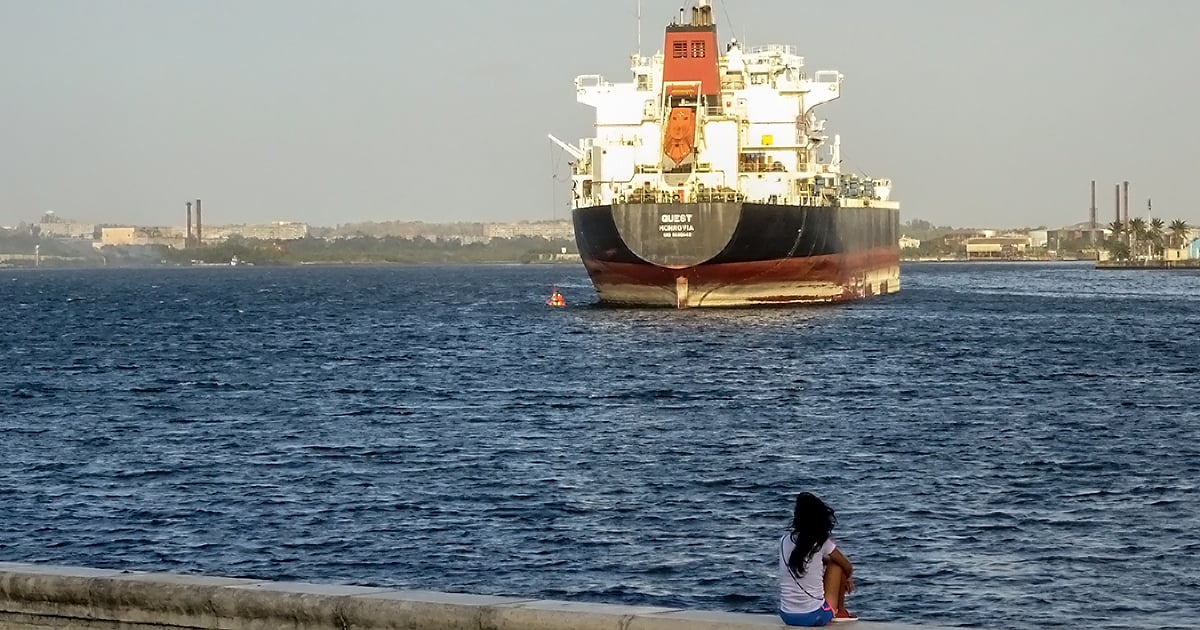
Amid daily blackouts, strained electric stoves, and a nation engulfed in energy uncertainty, Venezuela increased its shipments of oil and fuel products to Cuba in July, reaching 31,000 barrels per day (bpd). This marks a significant rise compared to the historic low in June, which saw a meager 8,000 bpd. However, this volume is still insufficient to alleviate the ongoing crisis on the island.
According to data released by Reuters, the shipments include crude oil, gasoline, and jet fuel, placing Cuba once again within the energy sphere of its primary political ally. Yet, the situation in Cuba remains dire, with prolonged power outages, a generation shortfall, and an inability to pay for liquefied gas that has been docked at ports for months.
"We have a deal with Venezuela," admitted Energy Minister Vicente de la O Levy in May. However, neither he nor Miguel Díaz-Canel provided details about this strategy, citing potential international sanctions as a reason for discretion.
While the regime insists it is working on "two scenarios, with and without fuel," the reality is that the Cuban people are already living the latter. The Unión Eléctrica reported a generation deficit exceeding 1,700 megawatts on Monday, directly impacting the distributed generation system, which relies on imported fuel.
Official statements fall short in explaining how millions of Cubans endure days without electricity, nights without fans, and stoves that remain unused, all while hearing about barrels that either don't arrive or arrive too late.
Despite July's increase, the amount sent from Venezuela remains far below the 55,000 bpd agreed upon in 2000 between dictators Hugo Chávez and Fidel Castro, and a distant memory from the more than 100,000 bpd that Caracas once supplied during prosperous times.
Meanwhile, Chevron and other partners of PDVSA have been given the green light by Washington to resume operations following the suspension of licenses. As reported by Reuters, new mechanisms might involve payments in kind and oil-for-diluent swaps, revealing the precarious financial state of the Maduro regime.
China, as usual, has claimed 95% of Venezuelan oil, and although Havana managed to secure a small portion, the reality is that the destination of the crude remains more in Asia than in the Caribbean.
However, with every announcement of "improvement on the way," ordinary Cubans respond with resignation and a handheld fan. People are weary of "secret formulas," of promises that don't translate into energy, and of speeches where blame is always placed outside.
In the words of Minister De la O Levy, the island should import five million tons of fuel annually, but now it consumes "only imported crude" due to the collapse of its domestic production. The rest is speculation, silence, and blackouts.
Understanding Cuba's Energy Crisis
What is the current state of Cuba's energy supply?
Cuba is facing severe energy shortages with frequent blackouts and insufficient fuel supply, exacerbated by its reliance on imported crude due to diminished local production.
How has Venezuela's oil shipment to Cuba changed recently?
Venezuela increased its oil and fuel shipments to Cuba to 31,000 barrels per day in July, marking a rise from June's historic low of 8,000 bpd, but still insufficient to solve Cuba's energy crisis.
What impact does the energy crisis have on everyday life in Cuba?
The energy crisis in Cuba results in prolonged power outages, affecting daily activities, such as cooking and cooling, and leading to widespread frustration among the population.