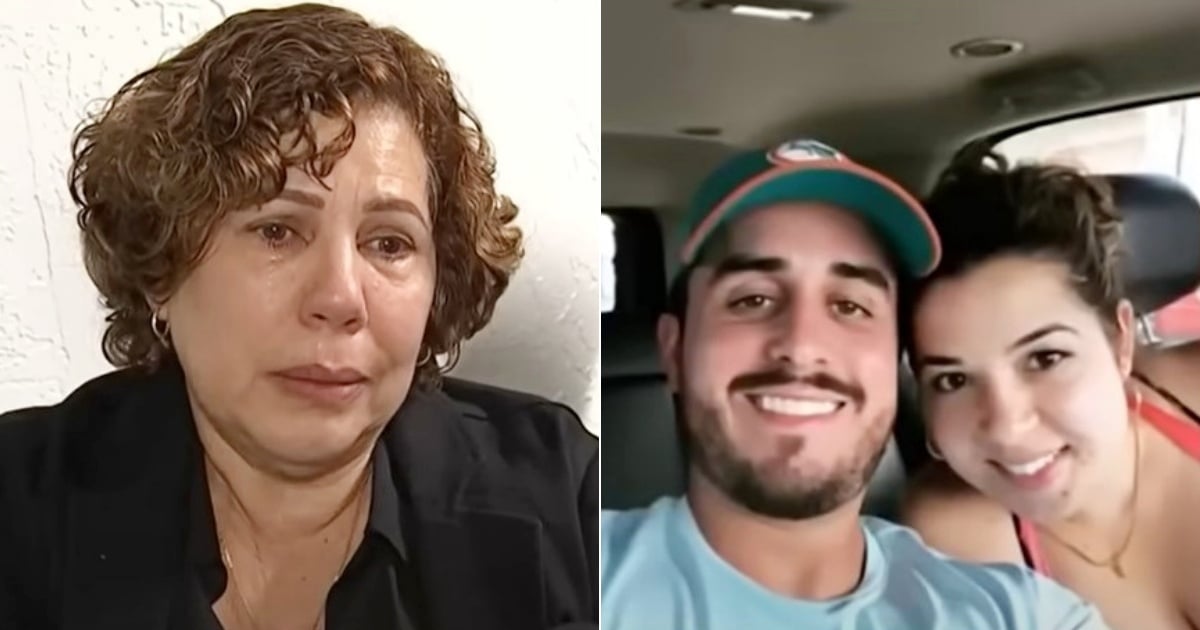
Over six years have passed since Naibel Benavides León tragically lost her life in a crash involving a Tesla on autopilot. Now, her mother and sister have broken their silence in an exclusive interview following a significant legal victory that calls attention to the boundaries of technology and corporate accountability. "It's justice," declared Marilin León, Naibel's mother, in response to the verdict that holds Tesla partially liable and demands a payment of over $240 million.
"The technology needs to be reviewed to ensure no other family endures the hardship we are facing," Marilin expressed to Telemundo 51, speaking not out of resentment, but from the deep pain of losing her daughter. "She was studious, hardworking, always spreading joy. Even on a bad day, she could brighten it with her antics. I come home and still hear her laughter—it's so painful," she shared tearfully.
Neima Benavides, Naibel's sister, was even more direct in criticizing Tesla's conduct. "That night, the technology failed," she stated firmly. "Tesla had the information and always denied it. We knew it wouldn't be easy," she added, accusing the company of withholding crucial data from the vehicle, including records and recordings from just before the crash.
"That night, the technology could have prevented this accident or at least lessened its severity," Neima insisted.
The Incident: What the Footage Reveals
Family statements align with a recently disclosed piece of evidence: a video of the crash released by Reuters. It shows the Tesla Model S, on autopilot, heading straight for the victims' parked vehicle without braking or swerving after crossing an intersection. The video's authenticity was verified by authorities through analysis of the road, signage, and visible poles in the footage, matching satellite and archival images. The date was also confirmed.
This video became a pivotal element in the trial, which, after years of litigation, concluded with an unprecedented verdict.
The Verdict: A Judicial Landmark Against Tesla
A federal jury in Miami determined that Tesla bore partial responsibility for the 2019 crash in the Florida Keys, which occurred as Naibel and her partner, Dillon Angulo, stood outside their stopped Chevrolet Tahoe. The Tesla Model S struck them while operating in assisted driving mode.
The judgment awarded:
- $129 million in compensatory damages.
- $200 million in punitive damages.
Of the compensatory damages, Tesla is required to cover 33%, amounting to $42.6 million. The remaining responsibility was assigned to George McGee, the Tesla driver, who faces no formal charges and is not required to pay his share of the judgment.
Tesla's Defense: Appeal and Denial
Tesla maintained that the crash was not caused by Autopilot but by driver distraction. In post-verdict statements, the company announced plans to appeal, arguing that no vehicle—neither in 2019 nor today—could have prevented the accident. "Today's verdict is incorrect and only serves to delay automotive safety, endangering Tesla's and the industry's efforts to develop life-saving technology," the company asserted in a press release.
A Potential Turning Point
This case is distinct as it was neither dismissed nor settled out of court. The trial concluded after three weeks of public hearings, a rarity in lawsuits against Tesla. Lawyer Miguel Custodio, not involved in the case, noted that the verdict "will open the floodgates" for new legal actions.
Beyond the legal ramifications, the case has significant implications during a pivotal period for Elon Musk, who plans to introduce a fleet of autonomous taxis in multiple cities soon. While the company insists on the safety of its autopilot, the crash footage and the Benavides family's testimony stand as a cautionary tale regarding the limits of such promises.
Understanding the Legal and Technological Implications of the Tesla Verdict
What was the outcome of the Tesla crash lawsuit?
A federal jury found Tesla partially responsible for the 2019 crash and ordered the company to pay over $240 million in damages.
How did Tesla respond to the verdict?
Tesla announced plans to appeal the decision, arguing that the crash was not due to the Autopilot system but to driver distraction.
What is the significance of the case against Tesla?
This case is notable for reaching a verdict after public hearings, potentially paving the way for future legal actions against Tesla.