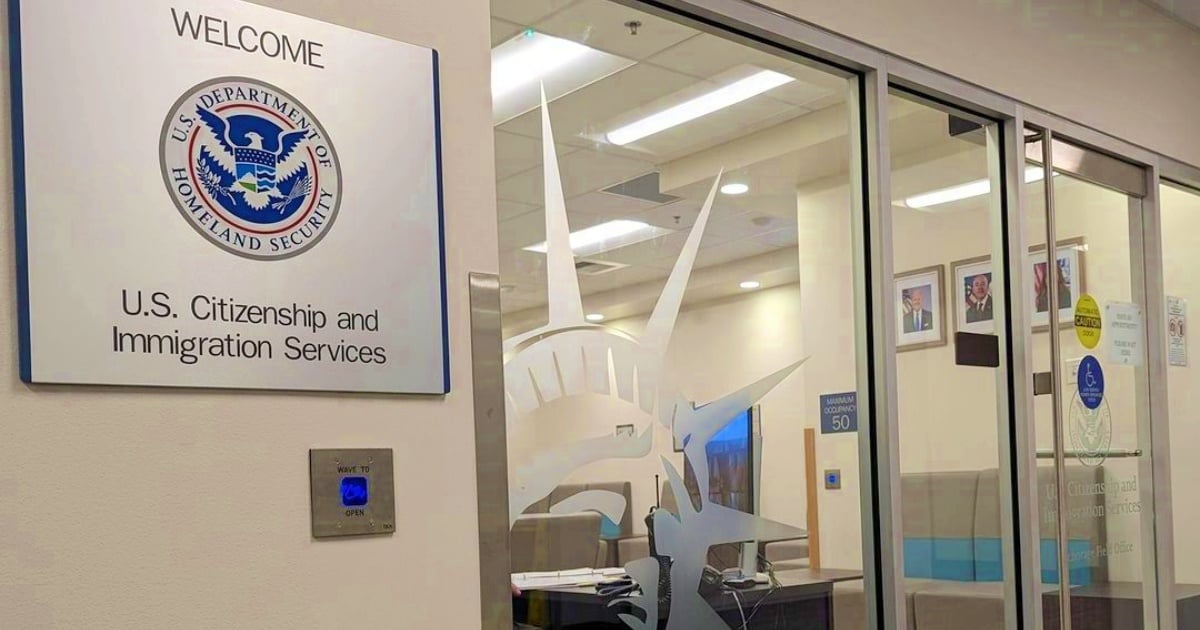
The United States Citizenship and Immigration Services (USCIS) has rolled out a major revision in its assessment policies for asylum and refugee applicants. As of August 1st, new directives have been implemented to intensify security screenings and background checks for those submitting Form I-485, Application to Register Permanent Residence or Adjust Status. This immediate measure aims to tackle fraud, national security threats, and other risks to public safety. By adopting these new rules, USCIS is shifting to a more stringent and systematic approach in evaluating applicants under humanitarian protection status, aligning with federal government security priorities.
Comprehensive Regulatory Shift
The official statement from USCIS highlights an update in their Policy Manual to "reinstate uniform procedures for security investigations and background verification for asylees and refugees, along with their derivative family members submitting Form I-485." This reinstatement of criteria, once relaxed to expedite processes, is now reintroduced within the context of a migration policy focused on control and threat prevention. The stated priority is clear: ensure the integrity of the asylum and refugee program by requiring beneficiaries to meet strict security standards.
Increased Interviews with New Criteria
One significant aspect of this update is the tightening of criteria for mandating in-person interviews with applicants. From now on, USCIS officers will need to consider mandatory interviews in the following situations:
- Unverified Identity: When information in the A-File or other USCIS systems cannot confirm the applicant's identity, or if there are multiple, conflicting, or unresolved identities.
- Fraud or Misrepresentation Suspicions: If evidence suggests the asylee or refugee status was fraudulently obtained or through false statements.
- Questionable Biometric Results: When fingerprint checks processed by the FBI reveal a criminal history that could lead to inadmissibility, or if there have been two unsuccessful attempts to obtain classifiable prints.
- Undetermined Admissibility: If the officer cannot determine the foreign national's admissibility without further interview or needs to clarify ambiguous information provided during the process.
- Terrorism Sponsor Nation Ties: If the applicant is a national or has habitually resided in a country designated as a state sponsor of terrorism at their last residence.
- National Security Concerns: Any founded suspicion that the applicant poses a risk due to ties with terrorist activities or other security threats.
Security Focus at the Core
USCIS communicated this new policy through official channels, including the social platform X, emphasizing that: "These criteria will help ensure program integrity and improve the detection of fraud, misrepresentations, national security threats, and public safety risks." In the same message, USCIS strongly reiterated its support for the Executive's immigration policy: "This supports @POTUS in making the U.S. safe again and keeping terrorists OUT!" Furthermore, USCIS spokesperson Matthew Tragesser underscored the institutional commitment to security, stating, "We owe it to all Americans to ensure their right to feel safe and protected. We strive to ensure that all foreigners applying for admission to the United States, or those already in the country, uphold the highest standards of integrity and comply with our laws and regulations."
Aligning with Federal Government Priorities
The new policy is part of a broader national security strategy adopted by the current administration, which aims to strengthen immigration control mechanisms without completely shutting doors to those genuinely in need of protection. The reference to Executive Order 14161 reinforces this direct connection with a state policy aimed at more effectively filtering potential external threats. This executive order requires federal agencies to implement measures that minimize the chances of individuals involved in terrorist activities or posing a public risk from entering or remaining in the U.S. through immigration programs.
Implications for Asylum and Refugee Applicants
For applicants and their attorneys, this regulatory change will necessitate greater preparation and rigorous documentation when submitting status adjustment requests. Those with identity inconsistencies, gaps in their files, or ties to monitored countries will face a higher likelihood of being summoned for thorough in-person interviews, potentially slowing processes. Additionally, the stricter standards might increase the volume of application rejections due to inadmissibility or security-related reasons, especially in cases with criminal backgrounds or inadequate documentation.
The announcement from USCIS marks a new phase in U.S. immigration policy for asylees and refugees. While the country continues to offer protection to those fleeing persecution or violence, it now does so under a stricter framework of control and verification. Mandatory interviews, biometric data cross-referencing, and the emphasis on national security indicate that the process of obtaining permanent residency in the U.S. under humanitarian status will be more demanding than ever.
Understanding USCIS Policy Changes
What are the new criteria for mandatory interviews with asylum and refugee applicants?
USCIS has introduced criteria such as unverifiable identity, suspicions of fraud, questionable biometric results, and ties to terrorism sponsor nations for mandatory interviews.
How does Executive Order 14161 relate to the new USCIS policy?
Executive Order 14161 directs federal agencies to implement measures that reduce the risk of admitting individuals involved in terrorism or posing public risks through immigration programs.