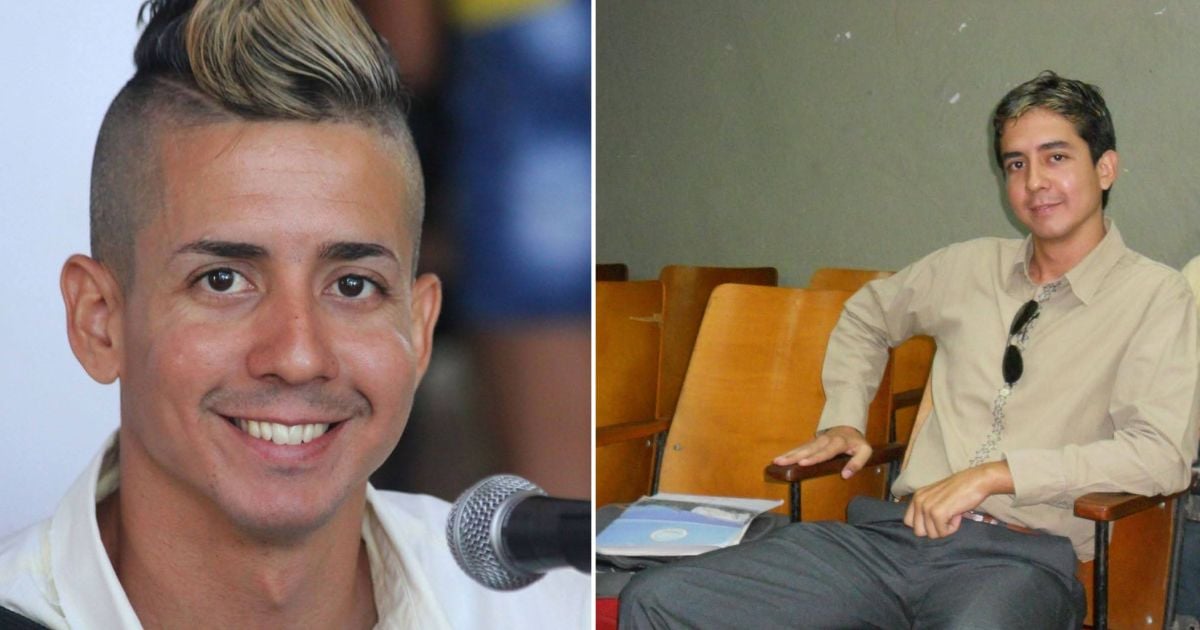
Enrique Pérez Fumero, a journalist and doctor of science affiliated with the official radio station CMKC and a university professor, endured a brutal assault in Santiago de Cuba during the early hours of Sunday. The attack was publicly reported on social media by fellow journalist Yosmany Mayeta Labrada. On Monday, Mayeta took to Facebook, stating, "Blood on the streets of Santiago and silence from official microphones," while sharing details regarding Pérez's critical health condition.
According to Mayeta, the assault occurred at the intersection of Barnada and San Mateo, right in the historic heart of Santiago de Cuba, just a few blocks from the Moncada Barracks, a symbol of the official narrative. Pérez is currently hospitalized in the Neuro-Surgery ward of the Saturnino Lora Provincial Hospital, suffering from a fractured skull base and multiple facial fractures. "He can barely breathe, barely speak, but he is still alive," Mayeta wrote.
The assailants reportedly stole a pair of Converse shoes, a phone, and a wallet from Pérez. However, his family suspects a homophobic motive due to the excessive violence of the attack. Mayeta also condemned the silence from official media and cultural institutions despite Pérez's years of dedication and service to state media. "CMKC is silent. The official press is silent. The authorities are silent," he criticized.
His message ended with a call for justice, urging Santiago de Cuba's authorities to conduct a transparent investigation, apprehend those responsible, and bring the incident to light in public media. "Today it was Enrique... tomorrow it could be anyone," warned Mayeta, who frequently exposes violent incidents in the province that often go unpunished.
Street violence in Cuba continues to leave deep scars. In Havana, an elderly woman was found beaten after having been missing for hours. She was discovered unconscious in a vacant lot, showing clear signs of assault, which heightens the growing sense of insecurity among citizens.
Meanwhile, police apprehended an armed gang executing robberies while wearing balaclavas in Havana and Pinar del Río. The criminal group operated across several provinces, committing violent robberies using firearms and meticulous organization. Authorities showcased images of the detainees and confiscated weapons as part of an effort to demonstrate effectiveness against organized crime.
In another disturbing incident, a young man in Holguín was arrested after savagely attacking an elderly man to rob him. The attack, recorded on video by witnesses, sparked widespread outrage on social media due to the brutality of the act and the victim's defenselessness. The swift identification and capture of the attacker highlighted the public's pressure in response to the rise in violent crimes.
Additionally, a court in Guantánamo sentenced members of a violent robbery network to up to 25 years in prison after their involvement in multiple armed robberies was confirmed. The trials revealed details about the brutality of their acts and the participation of several accused individuals in previous crimes.
Understanding the Surge in Violence in Cuba
What happened to Enrique Pérez Fumero in Santiago de Cuba?
Enrique Pérez Fumero, a journalist and university professor, was violently attacked during an early morning assault, resulting in severe injuries, including skull and facial fractures.
Why is there suspicion of a homophobic motive in Pérez's assault?
The extreme violence of the attack has led Pérez's family to suspect a homophobic motive, although the assailants also stole personal belongings.
How are Cuban authorities responding to the rise in street violence?
Cuban authorities have been showcasing arrests and confiscations of weapons as part of efforts to combat organized crime and street violence, although public pressure for more effective action remains high.