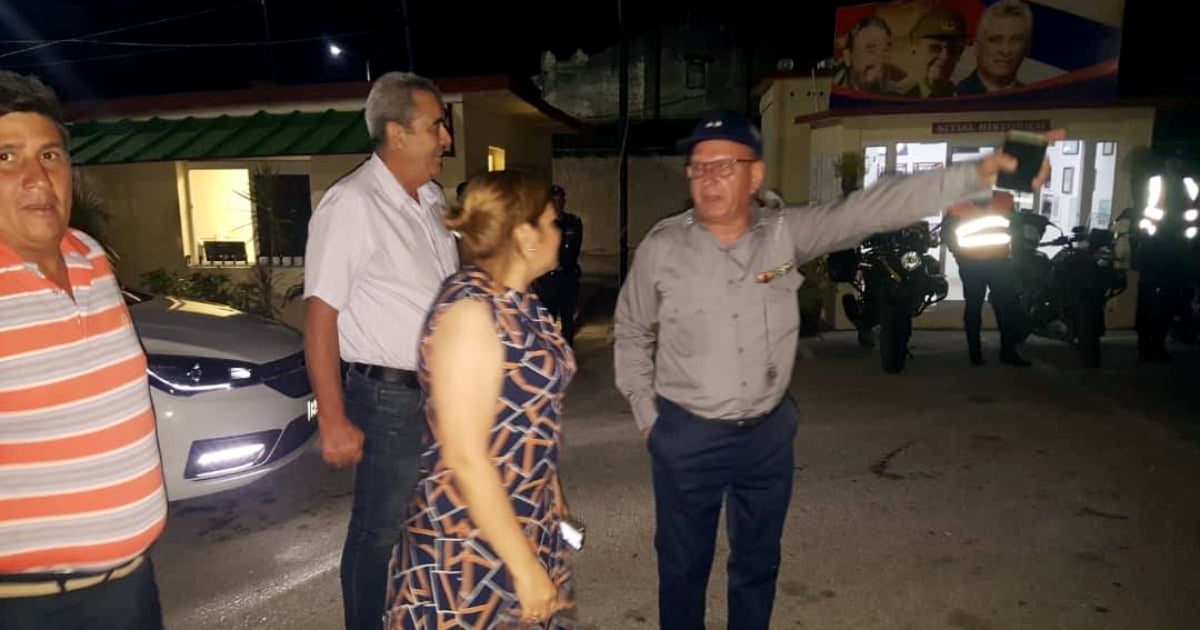
According to data from the Cuban Observatory of Conflicts (OCC), shared by the Foundation for Human Rights in Cuba (FHRC), a staggering 845 protests, complaints, and civic actions occurred in Cuba throughout July. Of these events, 209 represented direct challenges to the police state, underscoring a growing conflict between the citizens and the repressive apparatus of the Cuban regime.
The report reveals that, for the second consecutive month, the number of bold actions against authorities exceeded 200. This type of protest, which often provokes immediate repressive responses, was the most significant group recorded among civil and political rights. Additionally, the protests in July surpassed those documented in the same month of 2024 by 38%.
The Catalysts of Unrest
Several factors contributed to this wave of discontent, including the crisis in basic services such as electricity, water, and public health. Outrage was further fueled by official statements, like those from former Labor Minister Marta Elena Feitó, who denied the existence of beggars in the country. Moreover, repressive operations aimed at preventing commemorations of July 4th and the anniversary of the massive protests on July 11, 2021 (11J) played a significant role.
State Repression and Public Response
State repression triggered an additional 170 protest actions, including social media denunciations and confrontations during police operations. A notable focus of repression was the police blockade against activists, journalists, and dissidents to prevent their participation in the U.S. Independence Day celebration at the residence of Chargé d'Affaires Mike Hammer.
On July 11, the fourth anniversary of the historic 2021 protests was marked by detentions, communication blackouts, acts of repudiation, and a massive police presence on the streets.
Socioeconomic Struggles Fueling Dissent
The socioeconomic context further fueled discontent: power outages lasting up to 30 hours in provinces like Matanzas, Santiago de Cuba, and Holguín, along with the cumulative inflation of 77% since the "Tarea Ordenamiento," severely affected daily life. In neighborhoods like Guanabacoa and El Diezmero, residents blocked streets, chanted slogans, and faced anti-riot forces.
The shortage of food, the deteriorating healthcare system, citizen insecurity, and housing collapses complete a picture of comprehensive crisis. The OCC reported 90 food-related protests, including instances of people fainting in public due to hunger. Calculations estimate that an average family needs over 90,000 pesos monthly just for food, against much lower combined incomes.
Furthermore, 83 complaints of citizen insecurity were recorded, with a concerning rise in violent deaths — including femicides, robberies, and deaths in police custody — along with 41 complaints regarding healthcare system failures.
Persistent and Growing Discontent
For the FHRC and OCC, this scenario demonstrates that the Cuban people continue to mobilize despite the increasing repressive laws penalizing everything from social media posts to any form of public protest. The report highlighted that all provinces and the special municipality of Isla de la Juventud witnessed protests, with Havana leading with 365 recorded instances.
The monthly record reaffirms that in today's Cuba, discontent not only persists but also deepens and diversifies. The regime's attempts to silence the public's outcry through repression and censorship are failing to quell a society increasingly willing to break the silence.
Key Questions on Cuban Protests and Socioeconomic Struggles
What were the main causes of the protests in Cuba during July?
The main causes included crises in basic services like electricity, water, and healthcare, as well as public outrage over official statements and repressive actions to prevent commemorations of significant dates.
How did state repression influence the protests?
State repression led to an additional 170 protest actions, including confrontations during police operations and denunciations on social media.
What socioeconomic issues are contributing to the unrest in Cuba?
Issues include prolonged power outages, high inflation rates, food shortages, deteriorating healthcare, and inadequate living conditions.
How widespread were the protests across Cuba?
Protests occurred in every province and the special municipality of Isla de la Juventud, with Havana experiencing the highest number of protests.