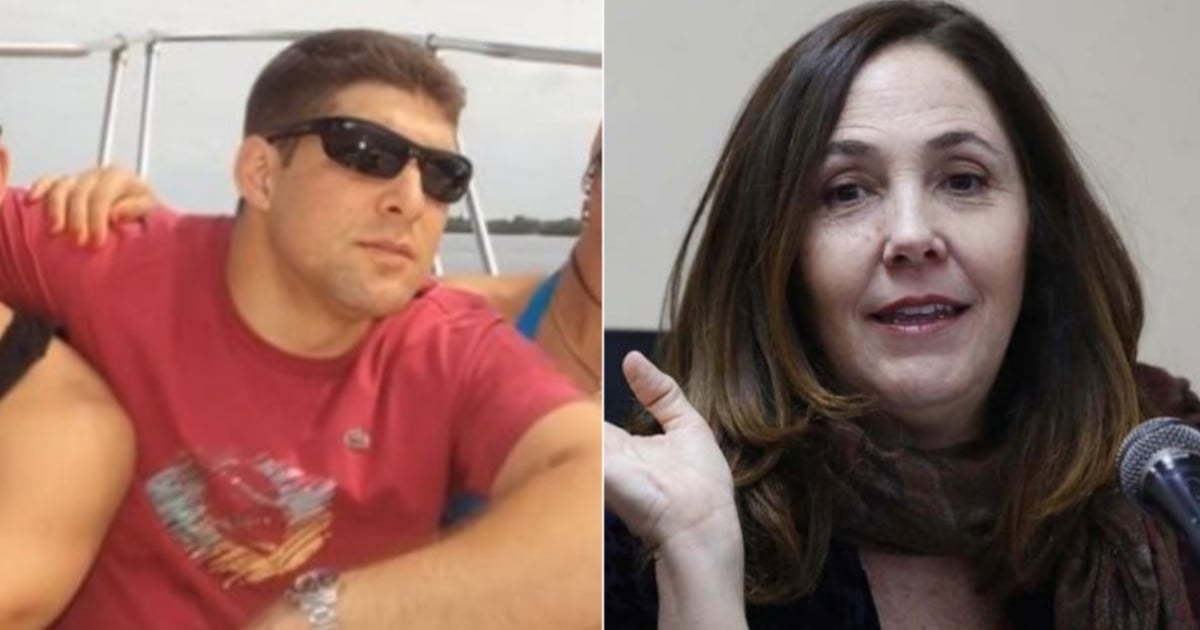
Leaked documents have uncovered that Mariela Castro, known as “El Cangrejo,” along with other relatives of Raúl Castro, traveled to the United States using diplomatic passports, receiving special protection and enjoying extended stays, despite the Cuban regime's anti-American rhetoric. A Martí Noticias investigation, drawing from confidential documents from Cuba's Ministry of Foreign Affairs (MINREX), reveals a disconcerting truth for Havana: senior officials, close family members, and bodyguards of Raúl Castro made numerous trips to the U.S. between 2012 and 2016, backed by the Cuban state itself.
Among those who benefited were his daughter, Mariela Castro Espín; his grandchildren Lisa and Paolo Titolo Castro; and his most prominent and influential grandson, Raúl Guillermo Rodríguez Castro, also known as "El Cangrejo." These visits occurred amid a politically sensitive period marked by the thawing of relations between Havana and Washington.
Extended Visits Under Diplomatic Pretext
The documents indicate that, under the guise of attending UN meetings, some trips stretched beyond three weeks, far exceeding the duration required for official duties. For instance, Mariela Castro traveled to New York in April 2015 with her children, husband, and a CENESEX official, all carrying diplomatic credentials. Her presence in the U.S. was not unprecedented; back in 2012, she had attended academic events in San Francisco, drawing criticism from U.S. congress members and sparking public protests.
Protection and Restrictions in the U.S.
Despite complaints, U.S. authorities extended special protection from the State Department to the Cuban official, accommodating her close to the Cuban mission at the UN. On another occasion, restrictions confined her within a 25-mile radius, preventing her participation in an event in Philadelphia. Meanwhile, Rodríguez Castro, head of Raúl Castro's personal security team, also made several trips to the U.S.
At just 31 years old in 2015, MINREX requested a diplomatic visa for him for “meetings of the United Nations system,” a justification used in other requests as well. The leaked documents also list names of high-ranking Ministry of the Interior officials, like Humberto Francis Pardo and Rafael Arturo Fong Puig, who obtained diplomatic visas under the same framework.
Congressional Calls for Sanctions
Meanwhile, Vilma Rodríguez Castro, Raúl's granddaughter, made at least five trips to the U.S. with a diplomatic passport between 2012 and 2016, according to the records. She is the daughter of the late General Luis Alberto Rodríguez López-Callejas, a key figure in the military conglomerate GAESA. When contacted by Martí Noticias, a State Department spokesperson refrained from discussing individual cases but did not hesitate to label the Cuban regime’s stance as hypocritical:
“While the Cuban people endure hunger, power outages, and extreme poverty, regime officials, their families, and the Cuban elite continue to travel abroad luxuriously,” the spokesperson stated. From the U.S. Congress, reactions were strong: several legislators demanded immediate sanctions against the Castro family members who traveled to the U.S. with diplomatic privileges.
The children and grandchildren of the leadership travel, study, and conduct business overseas, exploiting official passports meant solely for essential diplomatic functions. Indeed, since as early as 2024, instances of Cuban officials’ relatives engaging in private activities in the U.S., from tourism to investments, have been noted, while the regime's official discourse continues to blame Washington for the island's troubles.
Frequently Asked Questions about Cuban Officials' U.S. Travels
Why did Mariela Castro and her family travel to the U.S. with diplomatic visas?
Mariela Castro and her family used diplomatic visas for extended stays in the U.S., allegedly under the pretext of attending UN meetings, despite the Cuban regime's anti-American stance.
What was the U.S. response to these diplomatic travels?
The U.S. provided special protection to Cuban officials during their visits but faced criticism and calls for sanctions from U.S. legislators due to the perceived hypocrisy of the Cuban regime.
Who else was involved in these diplomatic trips?
Other individuals involved included high-ranking Ministry of the Interior officials and family members like Raúl Guillermo Rodríguez Castro and Vilma Rodríguez Castro, who traveled under similar diplomatic privileges.