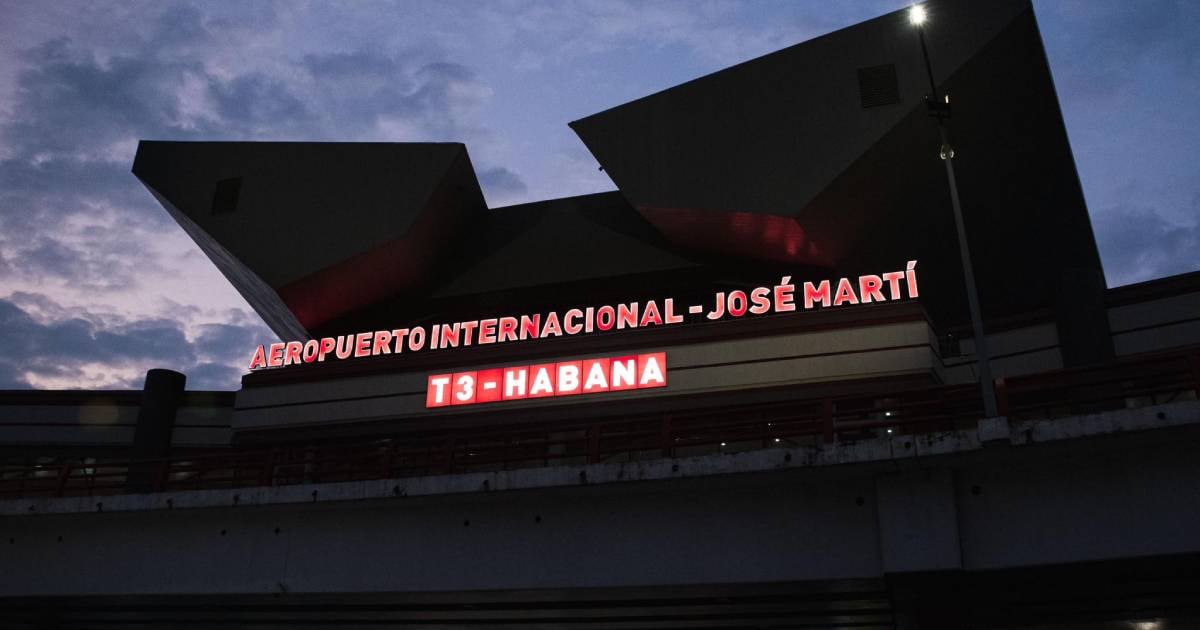
After a protracted legal battle, José Ramón López Regueiro, the son of Cuban entrepreneur José López Vilaboy and the sole heir to Havana's José Martí International Airport, has achieved a significant victory. The 11th U.S. Circuit Court of Appeals has overturned a prior ruling that dismissed his lawsuit against American Airlines, allowing him to proceed under Title III of the Helms-Burton Act. López Regueiro accuses the American carrier of "trafficking" in his rightful property—the main airport in Cuba—without his permission or compensation.
The lawsuit could set a precedent for similar claims, demanding $3 billion in compensation for operations conducted on infrastructure expropriated by Fidel Castro's regime in 1959.
Historical Theft and Exile
José López Vilaboy, the plaintiff's father, owned the Havana airport via the company CAISA. In 1959, the property was nationalized by the new communist government without compensation, forcing López Vilaboy to flee the island. His son inherited the company in 1989 and became a U.S. citizen in 2015.
Although Miami District Judge Lauren Louis dismissed the lawsuit in 2022, citing that the property was taken from a Cuban and not an American citizen, the appeals court corrected this interpretation. Circuit Judge Jill Pryor wrote in a 19-page decision that Title III of the Helms-Burton Act "unequivocally" does not require the property to have been owned by a U.S. citizen at the time of confiscation by the Cuban government, nor does it require the plaintiff to have been a U.S. citizen when acquiring an interest in the property.
The Helms-Burton Act and Its Implications
This ruling not only benefits López Regueiro but also opens the door for hundreds of Cuban-Americans unjustly excluded from claiming the assets seized by the Castro regime. The Helms-Burton Act stipulates that "any person who... traffics in property confiscated by the Cuban government after January 1, 1959, shall be liable to any United States national who holds a claim to such property," the document states. Pryor ruled that "any United States citizen" includes those who became citizens after acquiring the property in question.
"Allowing a claimant to pursue a claim under Title III even if they were not a U.S. citizen when the Cuban government seized their property demonstrates that the Helms-Burton Act also covers claimants who acquired their property before becoming U.S. citizens," Pryor noted.
Attorney Andrés Rivero from Rivero Mestre, representing Regueiro, applauded the decision in a statement on Wednesday, as reported by CourtHouse News Service. "We are extremely pleased that the Eleventh Circuit correctly adopted our arguments and has reopened Mr. López Regueiro's case against American Airlines for its wrongful trafficking in the Havana airport, which was stolen from Mr. López Regueiro's family," Rivero stated. "We will continue to pursue traffickers like American Airlines and Expedia to halt and penalize their shameful support of Cuba's oppressive communist regime."
Wider Implications for Other Airlines
American Airlines is not the only entity under scrutiny. Chile-based LATAM Airlines is also a defendant in the same case. The implications extend further, potentially affecting over 40 airlines operating at Havana’s airport. If it's confirmed they have benefited from using confiscated properties without compensating rightful owners, a wave of lawsuits could ensue.
Since the Trump administration activated Title III in 2019, more than 5,900 claims by U.S. citizens have been registered with the U.S. government. However, many claims, like López Regueiro's, are not certified, complicating their legal processing.
A Quest for Memory and Justice
For López Regueiro, this lawsuit is beyond monetary concerns. It is a means to honor his father's legacy, condemn the impunity of the Castro regime, and pave a path for other victims of expropriation to seek justice. "Cuba will not return anything until the Castros are gone," he remarked in a previous interview, resigned yet determined to demand at least some form of compensation.
Now, with this new judicial decision, his cause, once considered lost, is revitalized. The struggle of a son for his father's legacy becomes a symbol for thousands of dispossessed Cubans still awaiting justice.
Legal Implications of Helms-Burton Act on Airline Operations
What does the Helms-Burton Act entail for property claims?
The Helms-Burton Act allows U.S. nationals to file claims against entities that have trafficked in property confiscated by the Cuban government after January 1, 1959, without compensating the rightful owners.
How might this lawsuit affect other airlines operating in Cuba?
If the court rules in favor of López Regueiro, it could lead to a series of lawsuits against other airlines benefiting from confiscated properties, potentially impacting over 40 airlines operating in Havana.