The Ministry of Labor and Social Security (MTSS) clarified on Wednesday that there will be no changes to Cuba's retirement age, which remains at 60 for women and 65 for men, as dictated by Social Security Law 105. This announcement addresses the "misinterpretations" circulating on social media regarding a potential increase in retirement age.
The statement, shared on the social media platform X, aims to calm the anxiety of thousands of Cuban workers amid an economic reality that hits retirees especially hard, many of whom survive on pensions insufficient to cover even basic needs.
Persistent Rumors Over Time
Back in 2019, then-Minister of Labor Margarita González publicly raised the need to review the retirement age due to an aging population and a shortage of labor force. With over 20% of Cubans now over 60 and a plummeting birth rate, the possibility of raising the retirement age has lingered as a silent threat over Cuban workers' lives.
The situation is compounded by the mass exodus of young people, a shrinking workforce, and an economy unable to generate quality jobs or sustainable incomes to support the pension system.
Pension Increases Fall Short
This reaffirmation of the retirement age comes just weeks after Prime Minister Manuel Marrero announced a partial pension increase beginning in September, targeting those receiving up to 4,000 pesos monthly. This adjustment will benefit over 1.3 million retirees, which is 79% of the total pensioners.
While the government touts this as a relief, experts like economist Pedro Monreal warn that the purchasing power of this increase will quickly be eroded by inflation unless there is a concurrent rise in the supply of goods and services. According to Monreal, "Without a parallel increase in the supply of goods, the buying power of the increase will rapidly deteriorate."
The minimum pension will rise from 2,472 to 4,000 pesos in many cases, yet analysts agree that, in the current context, this amount doesn't cover even the basics: food, medicine, electricity, or transportation.
Potential Reform on the Horizon?
Meanwhile, the MTSS is promoting a reform of the Labor Code, set to be debated nationwide between September and November, as reported by Canal Caribe. This process, deemed the "most important for the labor movement in 2025," seeks to update the rights and duties of Cuban workers. Although it is emphasized that this will not impact the retirement age, doubts remain, especially among those who have lost faith in official announcements.
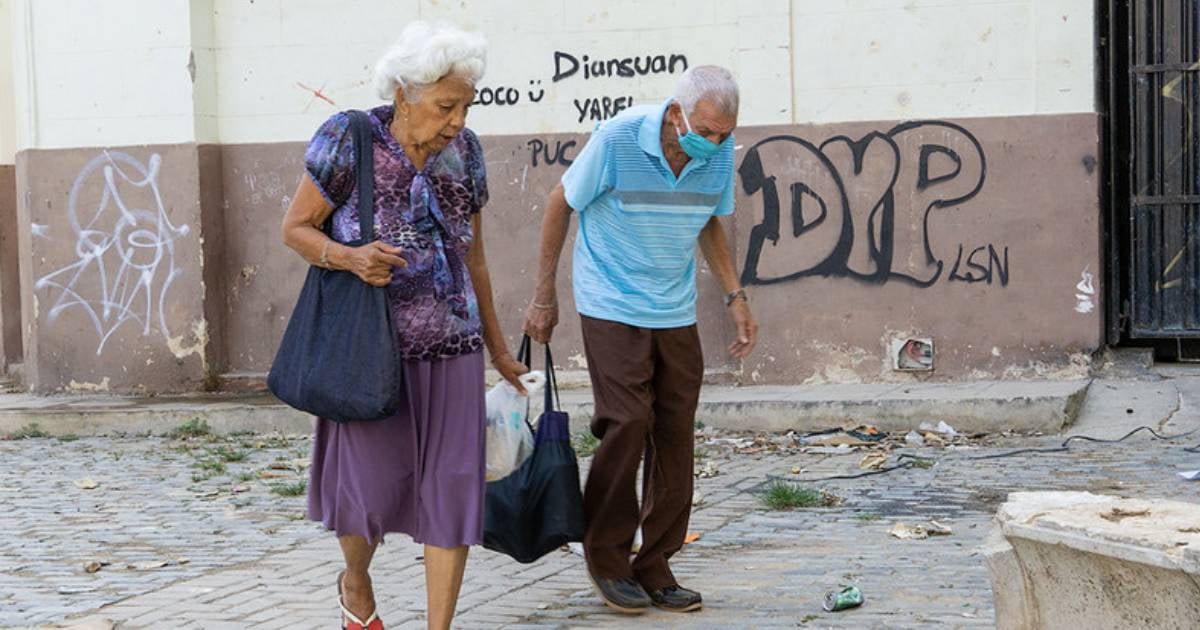
For many retirees, retirement doesn't signify rest but the beginning of a new struggle to survive in a country where prices rise daily and incomes barely budge. With worn-out bodies and pensions that fall short, continuing to work has become a necessity, not a choice.
In a nation where people live "day to day" and the future is a constant worry, the reaffirmation of the retirement age might offer momentary relief but does little to alleviate the daily distress of those who have devoted their lives to work and now can't afford even their morning bread.
Frequently Asked Questions about Cuba's Retirement Policies
What are the current retirement ages in Cuba?
In Cuba, the retirement age is set at 60 for women and 65 for men, according to Social Security Law 105.
Why is there concern about changing the retirement age in Cuba?
Concerns stem from an aging population, a declining birth rate, and a shrinking workforce, all of which might pressure the government to reconsider the retirement age.
How has the Cuban government responded to rumors about increasing the retirement age?
The government has issued a statement clarifying that there will be no changes to the retirement age, addressing what they call "misinterpretations" circulating on social media.