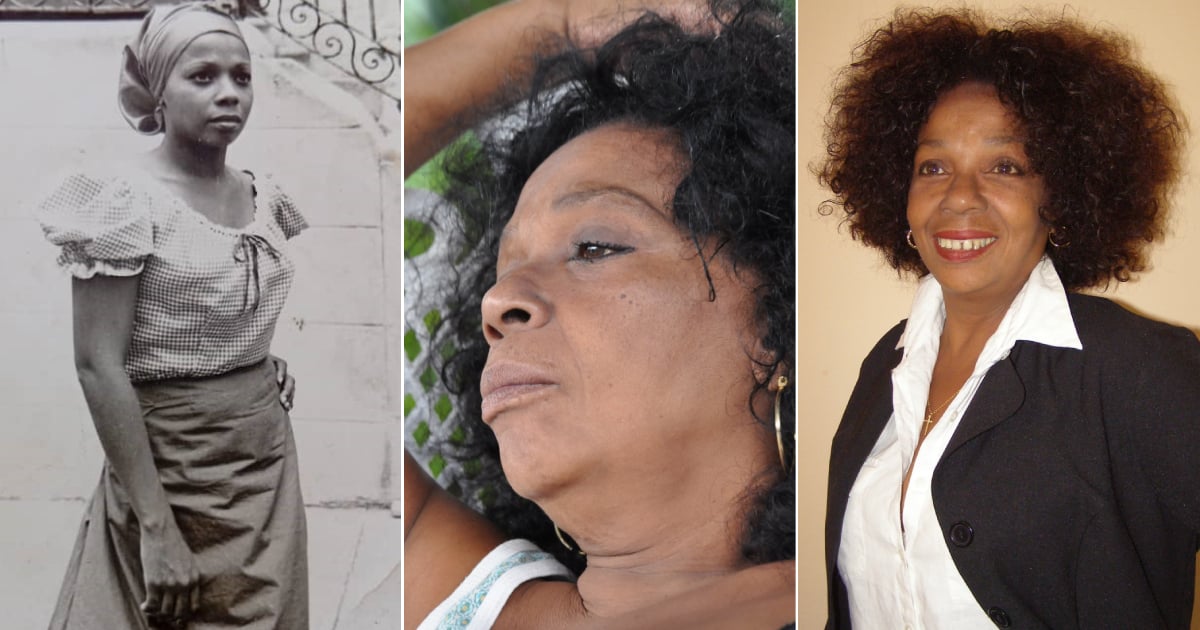
Among the many acclaimed actresses who have graced diverse stages such as theater, cinema, radio, and television, Natasha Díaz stands out as a true legend. It is indeed a privilege for CubaHeadlines to engage with this distinguished figure. Being an actress demands immense dedication. When did you realize this was your calling?
"Acting has become my life over the years. I feel it deeply whenever I'm away from the craft for too long. Actors tend to observe and listen because every person could inspire a new character with unique inflections and traits. Initially, I loved singing, but once I discovered acting, I knew it was my true passion. I immerse myself in the psychology of each character, allowing them to become an extension of myself rather than simply portraying them. Talent is innate, but it must also be nurtured."
Personal Journey and Challenges
Born Natividad Anisia Díaz Chirino, Natasha shares her personal journey: "I married at 19 in 1968, which was considered a good age at the time. My first daughter was born a year later. While my great-aunt and grandmother cared for her, I enrolled in the acting school at ICRT. It was during a time when many actors were leaving, prompting the creation of that school."
"Thanks to Antonia Valdés, a renowned artist and friend of my paternal grandmother, I found my way into the school. I was part of a theater group led by actors Alden Knight and Eric Romay. During an admission exam, the great Roberto Garriga told me, 'You are ready to take on leading roles,' based on my performance."
However, personal hardships followed, including a divorce due to her spouse's disapproval of her nighttime theater work. "I struggled with a young child, living in a cramped space on San Lázaro between Gervasio and Escobar. I moved several times until I finally settled in my current home in Vedado. It's been a long, arduous journey."
Facing Racial Discrimination
When asked if being Black has limited her in securing certain leading roles, Natasha candidly responds, "In 1959, racism was supposedly eradicated in Cuba, yet many racists remained. They are like a plague, hidden within those who claim to be 'revolutionaries.' Racism persists, especially when a script specifically calls for a Black character."
"Raúl Pérez Sánchez once changed a character for me in 'El viejo espigón.' The role originally intended for Verónica Lynn was given to Asenneh Rodríguez, and I received the role of Asenneh's character. Despite achieving much, it remains a source of pain for me—not bitterness or hate, but pain. At 75, I still wonder if I'll ever be called for another role, considering the ongoing racism and my age."
Career Highlights and Current Endeavors
Natasha reflects on her career's various stages, expressing gratitude for the opportunities she's had. "Theater, cinema, and television have all brought me immense satisfaction. Working with directors like Héctor Quintero and Nelson Dorr has been a blessing. In cinema, projects like 'Polvo rojo' and 'Las noches de Constantinopla' were significant for me."
Currently, Natasha is involved in a small business selling second-hand clothing. Despite the challenges, she remains optimistic. "I feel like I'm in a champion's extra round. Although many friends who called me 'Negra' have passed away, I cherish the memories."
She also shares her personal struggles with alcoholism and how she overcame them. "I stopped drinking in 2003, had a relapse in 2016, but have since quit for good. Now, I enjoy non-alcoholic beverages and focus on my health."
The Future of Natasha Díaz
Looking forward, Natasha aspires to continue acting and contributing to the arts. "I love theater, whether serious or comedic. Making people happy is my greatest joy. While I spend time in Spain, my heart belongs to Cuba. I am free here, and that's irreplaceable."
She expresses a desire to see more roles for older women in Cuban media, as seen in Brazilian soap operas. "Mature women have rich, vibrant lives that deserve portrayal. Despite my age, I believe there's still a role waiting for me that will be the highlight of my career."
Natasha's story is one of resilience, talent, and an unwavering love for Cuba and the arts. Her journey continues to inspire those around her, proving that age, race, and challenges are no match for passion and determination.
Understanding Racism and Acting in Cuba
How has Natasha Díaz's career been affected by racism in Cuba?
Natasha Díaz acknowledges that racism in Cuba has limited her opportunities for certain leading roles. Despite official claims of eradicating racism in 1959, lingering prejudices continue to influence casting decisions.
What challenges has Natasha Díaz faced in her acting career?
Aside from racial discrimination, Natasha has faced personal hardships, including divorce and financial struggles. Despite these challenges, she continues to pursue her passion for acting.