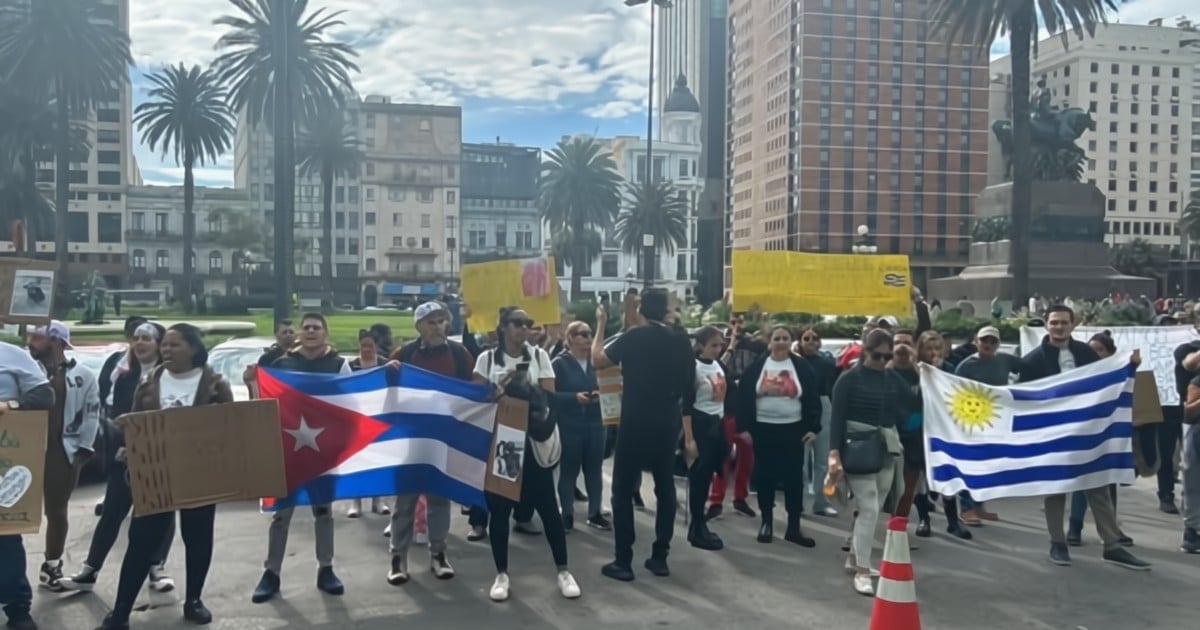
The Uruguayan government has announced a return to its previous passport format starting August 1st. This move comes after the uproar caused by the newer version introduced in April, which led to immigration issues with countries such as Germany, France, and Japan. The decision affects thousands of naturalized Uruguayan citizens, including Cuban residents in the country, who found their international mobility compromised, as reported by El País Uruguay.
The update, which removed the "place of birth" field and altered "Nationality" to "Nationality/Citizenship" with the code "URY" for all holders, was initially promoted by the Ministry of the Interior as a documentation improvement. However, the lack of immediate recognition from various European embassies resulted in many citizens—including students, tourists, and naturalized professionals—facing difficulties in obtaining visas or entering Schengen area countries.
Impact on Cuban Nationals and Political Repercussions
Among those most affected are the Cubans who have acquired Uruguayan citizenship in recent years. Individuals planning trips to Europe for family, academic, or work-related reasons will now need to obtain a newly issued passport.
In light of these circumstances, the government has confirmed that over 17,000 passports will be reissued free of charge, prioritizing those with imminent travel plans. This reversal has sparked tensions within the ruling party and drawn direct criticism from the opposition. Senator Sebastián Da Silva and Representative Juan Martín Rodríguez sharply criticized Foreign Minister Mario Lubetkin for his "arrogance" and lack of foresight, calling for his resignation over what they termed a "serious diplomatic blunder."
Amidst the turmoil, the government continues to defend the validity of the new document but acknowledges the need for comprehensive review with international organizations before adopting a new permanent format. For many Cubans and other naturalized citizens, this crisis represents yet another hurdle in their integration process and the full exercise of their rights as Uruguayan citizens.
In recent years, Uruguay has emerged as a welcoming destination for Cuban migrants, offering stability and opportunities that present a safer and more affordable alternative to the ongoing crisis in Cuba.
Common Questions About Uruguay's Passport Changes
Why did Uruguay decide to revert the passport changes?
Uruguay reverted the passport changes due to the international travel difficulties they caused, particularly with European countries that did not immediately recognize the new format.
Who is most affected by the passport reversion in Uruguay?
Cuban nationals who have acquired Uruguayan citizenship are among the most affected, as their travel plans to Europe for various reasons are disrupted.
What steps is the Uruguayan government taking to address the passport issue?
The government is reissuing over 17,000 passports at no cost, prioritizing individuals with upcoming travel requirements.