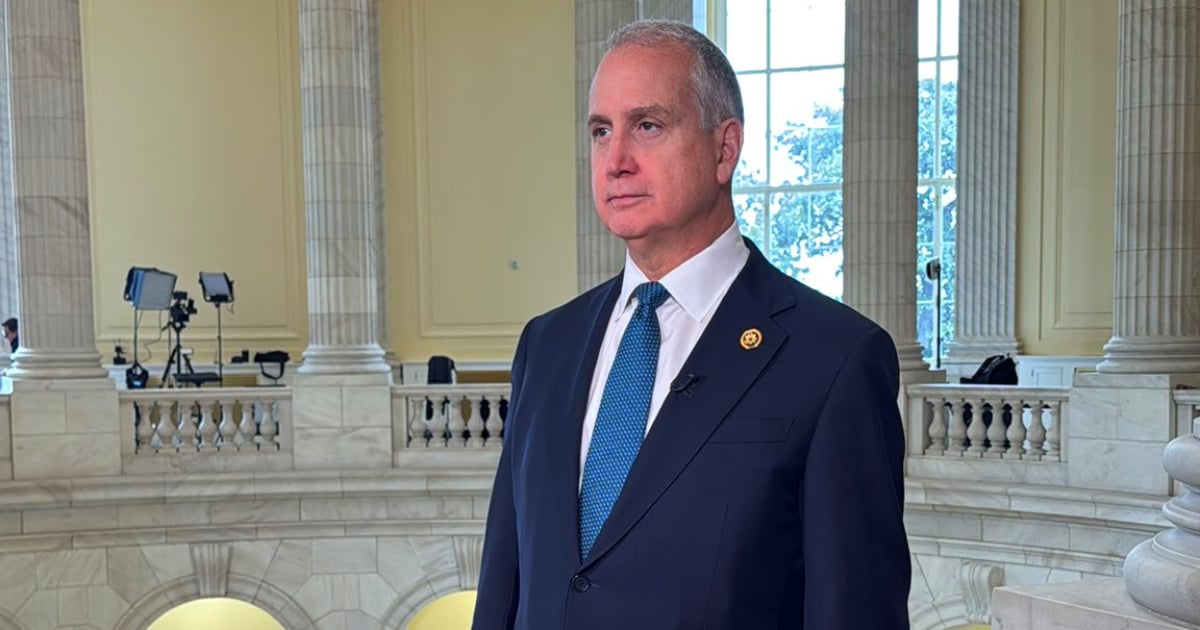
Cuban-American Congressman Mario Díaz-Balart has voiced concerns over the rising deportations of Cubans, attributing it to the "false promise" made by the Biden Administration. In a conversation with Mario J. Pentón for Martí Noticias, Díaz-Balart expressed that these were "artificial legalizations" which are now unraveling.
"Today, these individuals are facing arrests or deportations, having believed in a deceptive promise," he remarked. He also praised Donald Trump as a vital ally in the quest for a democratic Cuba, highlighting Trump's firm actions to restore the rule of law in immigration and confront authoritarian regimes in Cuba, Venezuela, and Nicaragua.
Legislative Efforts and Financial Support
Díaz-Balart discussed his recent budget proposal for fiscal year 2026, which allocates $35 million for democracy programs in Cuba and an additional $40 million for Radio and TV Martí operations. "This is the toughest legislation against Castroism in decades," he noted, emphasizing sanctions on those profiting from the forced labor of Cuban doctors, visa denials for oppressors, and urging European allies to pressure the regime.
Criticism of Cuban-American Lawmakers
Recently, Cuban-American congress members have faced backlash for their perceived leniency regarding deportations under the Trump Administration. Last week, activists and South Florida residents gathered outside the district offices of Congress members María Elvira Salazar and Carlos Gimenez, demanding a shift in their stance on their party's immigration and social policies.
Protesters criticized the lack of opposition to agreements between Florida's police and the federal ICE agency, which has led to increased cooperation in detaining migrants. Additionally, they questioned why these lawmakers did not prevent Chevron from resuming oil extraction in Venezuela.
On Thursday, Díaz-Balart, Gimenez, and Salazar refrained from criticizing Trump following the Chevron authorization. Instead, they echoed identical messages on the social platform X, defending Trump as a steadfast leader against authoritarian regimes in the Western Hemisphere and asserting that Chavismo "will not reap benefits."
Frequently Asked Questions about Cuban Deportations and Political Stances
What did Mario Díaz-Balart say about the deportations of Cubans?
Mario Díaz-Balart criticized the increase in deportations, attributing it to a "false promise" from the Biden Administration, which he claimed led to "artificial legalizations" now collapsing.
How do Cuban-American lawmakers respond to agreements between Florida police and ICE?
Cuban-American lawmakers have faced criticism for not opposing the agreements between Florida police and ICE, which have increased efforts to detain migrants.
What was the response of Cuban-American lawmakers to Chevron's operations in Venezuela?
Despite the authorization for Chevron to resume operations, Díaz-Balart, Gimenez, and Salazar did not criticize Trump and defended him as a strong leader against authoritarian regimes.