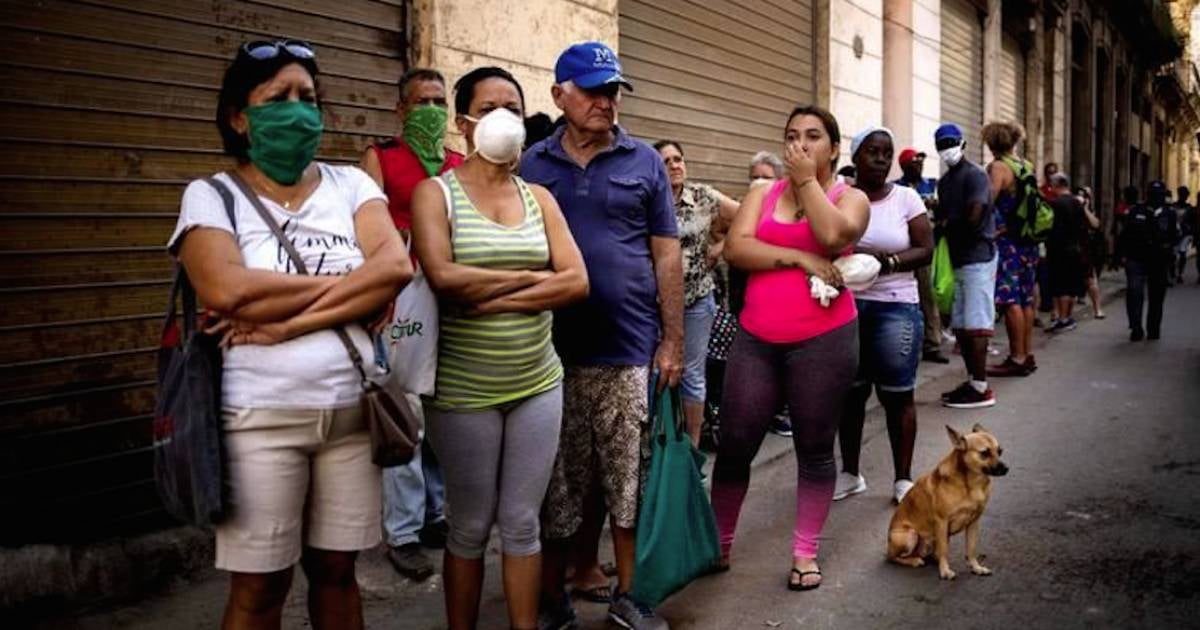
For countless Cuban women, the choice of whether to leave or remain on the island over the past few decades wasn't a simple privilege or a testament to courage. Instead, it has become apparent that the environment they live in significantly influences their daily lives—how they rest, cook, sleep, or simply manage to breathe easier. This was poignantly described by Cuban translator and editor Marcia Gasca on her Facebook page, where she shared messages from friends scattered across the globe—both Cuban and foreign.
Gasca shared how some of her friends emigrated years ago, while others were born abroad. Many left behind parents or children in search of stability. "In the last 30 years, they either left Cuba or were born in countries where they currently reside. They all have a decent place to live, whether owned or rented, none complain of leaks, and they have cars or live in cities with excellent public transportation. They're not rich; they're hardworking individuals, some retired after 40 years of work, while others still contribute to the workforce," Gasca highlighted.
Cuban Women Facing Challenges at Home
Conversely, Gasca's friends who stayed in Cuba include professionals, some of whom have retired because they couldn't endure the daily grind without reliable transportation. Others left work due to illness, while some have returned to the workforce out of necessity, as pensions fall short. Many continue to struggle with the low salaries we know all too well because they have no other choices at their age.
While some friends abroad share photos of their travels, discuss books, recipes, or grandchildren, those still in Cuba talk about power outages, water shortages, and whether they can cook a meal. Their routine becomes a series of hurdles: an hour of electricity perhaps in the middle of the night, only to return to darkness and stifling heat.
Only one friend managed a trip to the beach, thanks to her husband's sacrifices. For the rest, it's not even a dream. "They are stressed by the blackouts and the widespread scarcity. They appear unkempt, with uncolored hair. Their only topics of conversation are 'I have no power' or 'When the power comes back, I'll wash... if there's water,'" Gasca confessed.
The Stark Divide: Life Abroad vs. Life in Cuba
Gasca's final words poignantly capture the painful contrast: "My friends abroad are traveling through Europe, hiking the Pyrenees, or enjoying a week at the Miami beach. They suffer, they love, they live... My friends in Cuba are merely waiting for the power to return."
Those enduring the situation at home echo this sentiment. "It's frustrating what we have to endure," wrote Elena Zayas in a comment on the post, expressing her dismay at seeing friends abroad enjoying normal weekends—no luxury, but no hardship either. "You don't have to be a millionaire to enjoy a nice family vacation," Mérida Niebla, a resident of another country, affirmed, acknowledging that the difference isn't about wealth but about residing in a nation that allows you to live.
The pain of knowing our homeland is in such a state, with its people suffering due to the whims of a small, selfish group, is unforgivable, Carlos Espinosa stated emphatically. Balbina Rey went even further, saying, "In Cuba, as long as the dictatorship exists, the only thing you can expect in old age is for the light to go out of your eyes."
Opportunities Await Cuban Migrants
Numerous social media accounts confirm that a significant percentage of Cuban emigrants find new opportunities in countries that offer protection and employment prospects aligned with their skills and education. In Cuba, professionals face limitations imposed by the socialist political and economic system, which places ideological restrictions and barriers, denying them the chance to prosper using their expertise and talents in their homeland.
Lietty Piña, a young Cuban residing in Mexico, shared a video expressing gratitude for the positive changes she experienced since leaving Cuba. With a mix of relief, thankfulness, and sadness, she explained how her diet, routine, skin, and even mood improved after settling in Mexico.
Leandro Hernández, a mechanical engineer now living in Peru, shared a video of his professional integration in the Andean nation, working in the field he trained for in Cuba. In February, another of his videos moved many as it showed his progress in setting up his first room from scratch: a bed, a table, and a chair after weeks of sleeping on the floor. "Another step forward in this country," he titled the clip.
Recently, a Cuban in Uruguay highlighted through social media the opportunities that country provided him "to have a better life, to live better, and to move forward."
Likewise, a Cuban couple residing in the United States joyfully shared on social media their achievement of purchasing their first home in Cuba, a dream come true that they proudly displayed. The husband, as noted by the video's author, works as a truck driver in the United States, a common job among Cuban emigrants due to its economic opportunities. Through their hard work and sacrifice, they managed to save enough to invest in a property in their homeland.
Questions on the Cuban Diaspora and Living Conditions
What are the main challenges faced by women remaining in Cuba?
Women in Cuba grapple with frequent power outages, water shortages, and lack of basic necessities, significantly impacting their quality of life. Their routines are often disrupted by these shortages, making everyday tasks a struggle.
How have Cuban emigrants benefited from moving abroad?
Many Cuban emigrants find enhanced opportunities in other countries, such as improved living conditions, better employment prospects, and the ability to live without the daily hardships faced in Cuba. This often leads to a significant improvement in their overall well-being.
Why do Cuban professionals struggle to thrive in their home country?
Cuban professionals often encounter restrictions due to the socialist political and economic system, which imposes ideological and practical barriers that hinder their ability to advance and succeed based on their skills and qualifications.