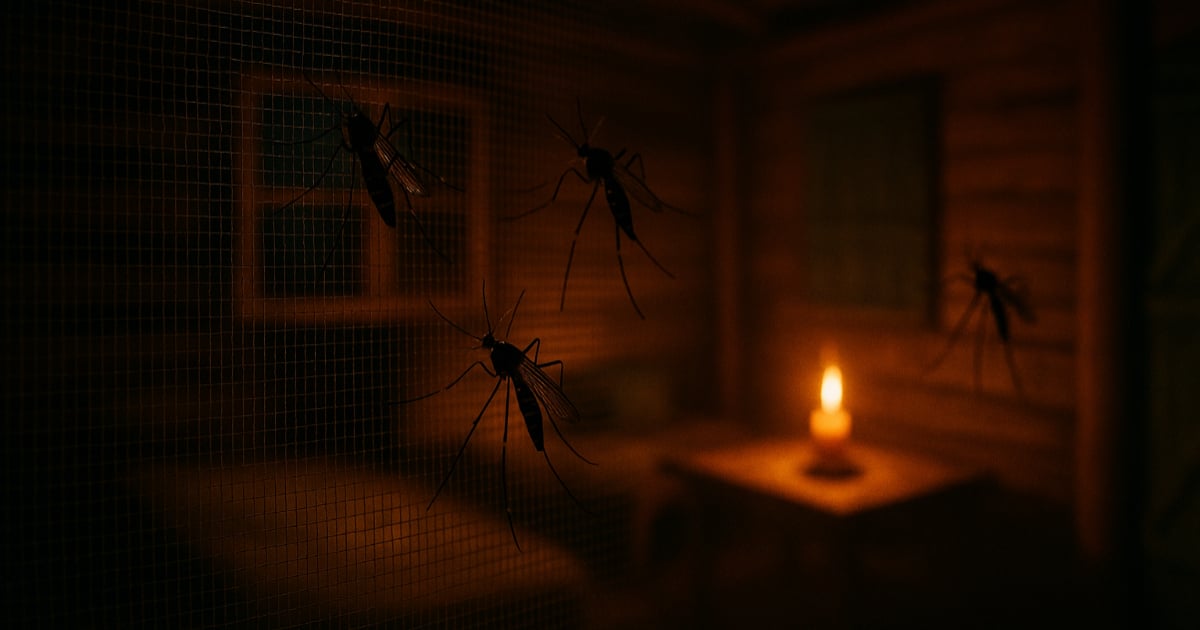
Amid recent reports of outbreaks in Cuba, particularly in areas like Matanzas, it is crucial for the population to understand what chikungunya is, how it spreads, and what protective measures can be taken, especially given the increasingly dire health situation.
What is Chikungunya?
Chikungunya is a viral illness transmitted to humans through bites from infected mosquitoes. While it is rarely fatal, it can cause severe joint pain that may last weeks or even months, severely impacting quality of life.
Transmission of Chikungunya
The virus spreads through mosquito bites, specifically from the Aedes species, which also carry dengue and Zika. These mosquitoes are most active during the daytime, particularly at dawn and dusk. The disease is not spread from person to person. However, transmission from mother to child during childbirth or, in rare instances, through contact with infected blood is possible.
Recognizing the Symptoms
Symptoms typically appear 3 to 7 days after being bitten and include:
- High fever
- Severe joint pain (hallmark symptom)
- Muscle pain
- Skin rashes
- Headache and general discomfort
Even when the fever subsides, joint pain can persist, making the disease particularly debilitating.
Preventive Measures Against Chikungunya
Health authorities suggest the following precautions:
- Eliminate mosquito breeding sites by avoiding stagnant water in containers, tanks, tires, or plant pots.
- Use bed and window nets.
- Apply insect repellent to exposed skin.
- Wear light-colored clothing that covers the arms and legs.
- Request fumigation in affected areas.
Challenges in Cuba's Response
Efforts to prevent and treat chikungunya in Cuba face significant obstacles due to:
- Power outages lasting over 24 hours, which prevent the use of fans or adequate lighting, creating a favorable environment for mosquitoes.
- A lack of fuel necessary for conducting effective fumigation in affected neighborhoods.
- Shortages of essential medications such as antipyretics, analgesics, and anti-inflammatories, which are crucial for managing symptoms like fever and muscle and joint pain.
This combination of issues places many Cuban communities at high risk of contracting the virus. If you experience fever and joint pain, seek medical attention and avoid self-medication. Whenever possible, protect your family by eliminating mosquito breeding sites and preventing bites.
FAQs on Chikungunya Prevention and Symptoms
Can chikungunya be transmitted from person to person?
No, chikungunya is not transmitted from person to person. It spreads through the bites of infected mosquitoes, though transmission from mother to child during birth or through infected blood can occur in rare cases.
What are the best ways to prevent mosquito bites?
To prevent mosquito bites, use bed nets, apply insect repellent, and wear light-colored clothing that covers the body. Eliminating stagnant water around the home can also reduce mosquito breeding.
What challenges does Cuba face in controlling chikungunya?
Cuba's response to chikungunya is hindered by frequent power outages, a lack of fuel for fumigation, and shortages of essential medications, making it difficult to manage and prevent outbreaks effectively.