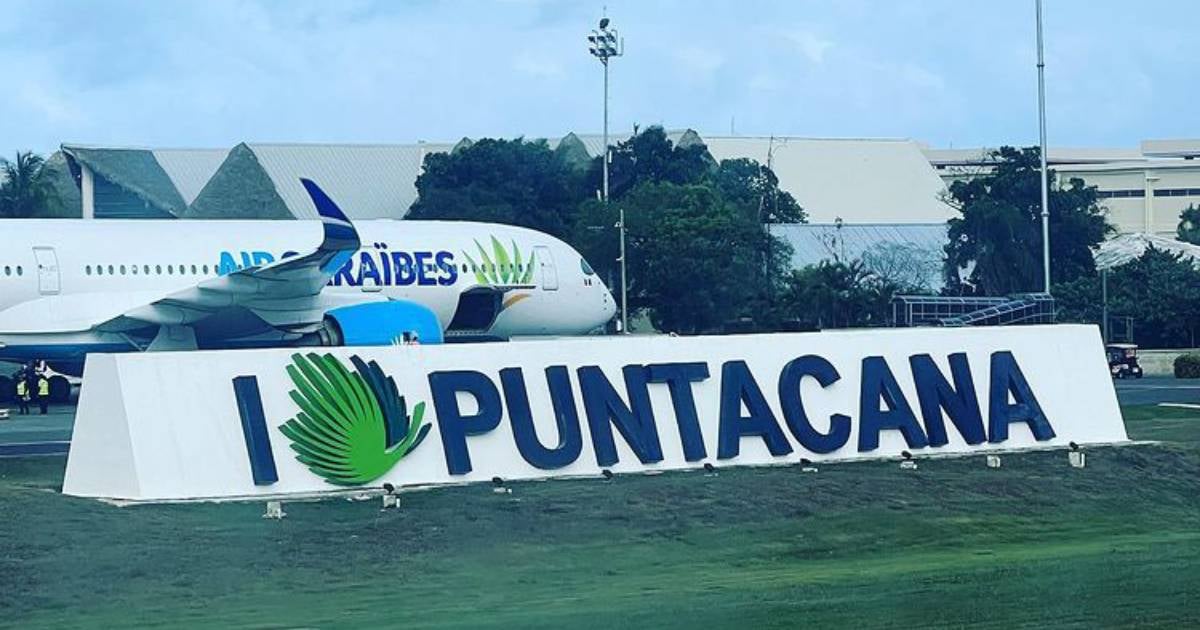
As Cuba's tourism sector crumbles, the Dominican Republic has emerged as a refuge for Cuban families seeking reunions, relaxation, and a glimmer of hope. Punta Cana has become the new Varadero, attracting over 19,500 Cuban residents in June 2025 alone. This marks a significant sixth-month milestone for the island country regarding Cuban visitors.
However, this surge is not solely about leisure travel. For many, it represents a chance for families, separated by emigration, to reunite amidst luxurious beaches and inclusive resorts. According to the Dominican Ministry of Tourism, the nation has welcomed 43,218 Cuban tourists in the first half of the year, on track to surpass the 96,682 record set in 2022.
The Rise of Dominican Family Reunions
Travel agencies are capitalizing on this trend, offering packages that simplify the visa process for island residents. The appeal is clear: sunshine, amenities, proximity, and, most importantly, the real opportunity to reconnect with family members residing in Miami or other parts of the world.
Initially an alternative to the costly and bureaucratic process of returning to Cuba, this movement has evolved into a migratory-tourist phenomenon. Liliana Suárez of Yes Travel shared her joy at witnessing families reconnect after two decades apart.
Cuban Tourism Decline
Meanwhile, Cuba's tourism industry is in freefall. In the first half of the year, 319,654 fewer travelers arrived compared to the same period in 2024, a 25% decrease. Hotels in Varadero and Havana remain largely vacant, with national occupancy barely reaching 24%. The decline in Russian and Canadian visitors, traditionally key markets, exacerbates the situation.
International perceptions are also deteriorating. A Latina tourist shared a heartbreaking account on TikTok about her visit to Varadero and Havana, describing the dire conditions: "In Havana, there is real suffering for food. It's a population slowly dying... children hungry, elderly without medicine, homes on the verge of collapse."
Dominican Republic: A Haven for Cuban Families
The Dominican Republic offers a stark contrast. While Cuban authorities persist in building more hotels as a growth strategy, Dominican tourism thrives, even serving as a means for family reunification. In 2023, Jacqueline Mora, the country's Deputy Minister of Tourism, acknowledged a governmental strategy to "unite families," noting that "for every 10 Cubans from the island, 60 come from Miami."
The Dominican migration policy has also eased this phenomenon. Since 2022, Cubans do not require a transit visa for layovers en route to other destinations. Airlines like Sky Cana have introduced numerous monthly routes between Havana and Punta Cana, especially on weekends when reunions are most frequent.
For many Cubans, the Dominican Republic has become a second home, not by nationality, but by necessity. It offers a chance to embrace a child who emigrated, a father who couldn't return, or a grandmother meeting her grandchildren for the first time.
Moreover, it presents a less painful alternative to returning to a hostile Cuba, plagued by high bureaucratic costs, blackouts, shortages, and hotels that fail to provide basic necessities. Many expatriates prefer to invest their savings in a Dominican trip to see family in dignified conditions, rather than risk a costly and bureaucratic ordeal in Cuba.
The surge in Cuban travel to the Dominican Republic is not a mere tourist trend but an emotional and practical escape valve. It's a means of resisting separation, circumventing regime-imposed barriers, and finding, if only for a week, a place to be a family again. The neighboring island has recognized that tourism can also be an act of humanity, while Cuba remains stuck in empty promises, vacant hotels, and unconvincing rhetoric.
Understanding the Cuban Migration to the Dominican Republic
Why are Cubans traveling to the Dominican Republic?
Cubans are traveling to the Dominican Republic primarily for family reunions, taking advantage of the country's welcoming tourism environment and permissive migration policies.
What impact has the decline in Cuban tourism had?
The decline in Cuban tourism has resulted in significant drops in visitor numbers, particularly from key markets like Russia and Canada, leading to empty hotels and decreased national occupancy rates.
How has the Dominican Republic facilitated Cuban travel?
The Dominican Republic has eased travel for Cubans by removing the transit visa requirement and increasing flight routes, especially on weekends to accommodate family reunions.