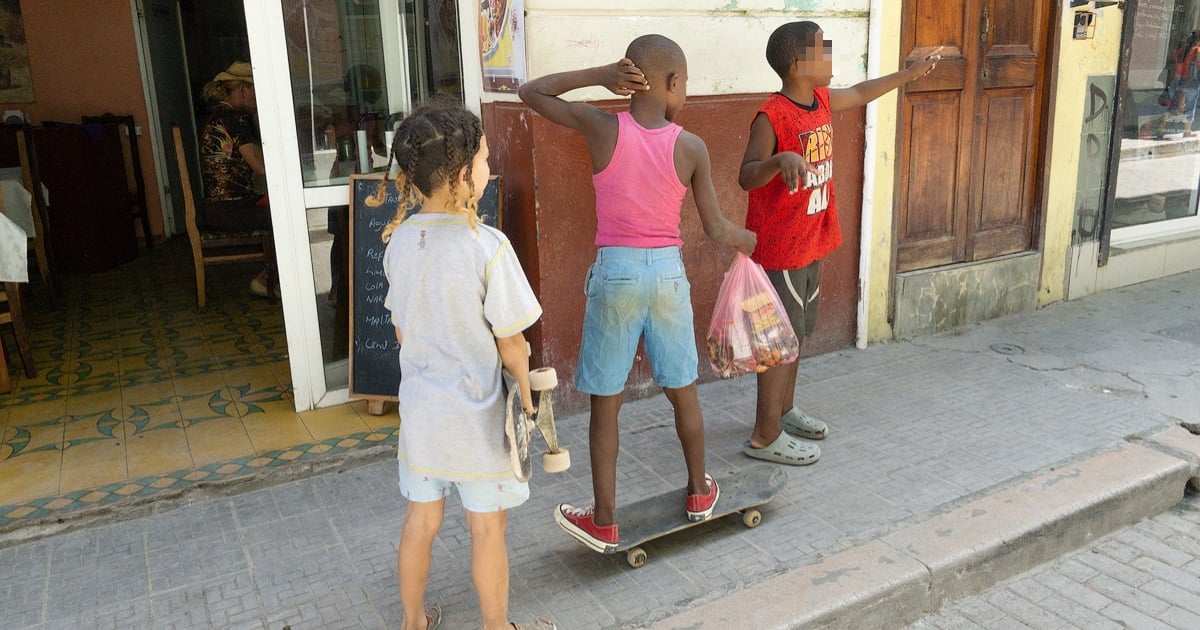
The National Assembly of People's Power has enacted the new Childhood, Adolescence, and Youth Code, aiming to ensure the rights and holistic development of individuals aged 0 to 35 in Cuba. This legislation replaces the previous code from 1978, and is portrayed as progressive and inclusive, as reported by the state-run portal Cubadebate.
Education Minister Naima Ariatne Trujillo Barreto advocated for the document before the assembly, describing it as "humanistic, participatory, and equitable," resulting from a consultative process involving over 825,000 people. The new law comprises 214 articles divided into two sections.
However, this approval occurs amidst a particularly challenging social context in Cuba: the nation is grappling with a troubling rise in adolescent drug use, domestic violence, child labor, child deaths at the hands of their parents, and abandoned newborns found in dumpsters. Additionally, there is a shortage of contraceptives, a lack of condoms, and an increasing wave of poverty affecting women and single mothers.
Challenges in Implementation and Social Reality
The new Code enshrines essential rights such as progressive participation, the best interest of the child, and protection against any form of abuse, neglect, trafficking, or violence. It also strengthens the ban on child labor and claims to "guarantee" safe environments at home, school, and in digital spaces. Nonetheless, deputies like Laura Bacallao and Leidys María Labrador acknowledge that, while the law represents regulatory progress, its implementation requires resources, training, and real reporting mechanisms, which currently are often ineffective or nonexistent.
Mariela Castro Espín highlighted that the Code includes sexual and reproductive rights for minors, forbidding non-consensual genital surgeries on intersex children and promoting comprehensive sex education. However, the lack of action by authorities in child abuse cases casts doubt on the effectiveness of these provisions in everyday life, as illustrated by a recent incident where a child was abused by their mother and stepfather despite repeated reports by the grandmother to the police.
Reality vs. Government Promises
Although the government touts the Code as a revolutionary milestone, social data and reports reveal an alarming situation: adolescents starting drug use at younger ages, women trapped between state violence and economic hardship, and unwanted children due to lack of access to family planning. Crime, femicides, and child abandonment have become commonplace, while institutions often respond too late or not at all.
Independent media and social networks have documented recent cases of infanticide linked to drug use, as well as reports of insufficient state attention to high-risk social situations. The Childhood, Adolescence, and Youth Code represents a Cuban government attempt to update its legal framework in line with international treaties like the Convention on the Rights of the Child. However, activists caution that its real impact will depend on its enforcement in an environment marked by shortages, repression, and the neglect of the most vulnerable.
Experts agree that the main challenge lies not in the legislation itself, but in transforming this legal framework into concrete actions that prevent the abandonment, abuse, and exclusion of thousands of Cuban children who today grow up without opportunities or institutional support.
Addressing Key Concerns About Cuba's New Childhood Code
What are the main objectives of the new Cuban Childhood Code?
The new Childhood Code aims to ensure the rights and comprehensive development of individuals aged 0 to 35 in Cuba, focusing on progressive participation, the best interest of the child, and protection from abuse and neglect.
What challenges does Cuba face in implementing the new Childhood Code?
Cuba faces significant challenges such as resource scarcity, lack of training, and inefficient reporting mechanisms, which hinder the effective implementation of the new Childhood Code.
How does the new Code address sexual and reproductive rights?
The Code includes sexual and reproductive rights for minors, prohibits non-consensual genital surgeries on intersex children, and promotes comprehensive sex education.
Why is the effectiveness of the new Code in question?
The effectiveness of the new Code is in question due to the lack of action by authorities in child abuse cases and the broader social issues such as poverty and drug use affecting children and families in Cuba.