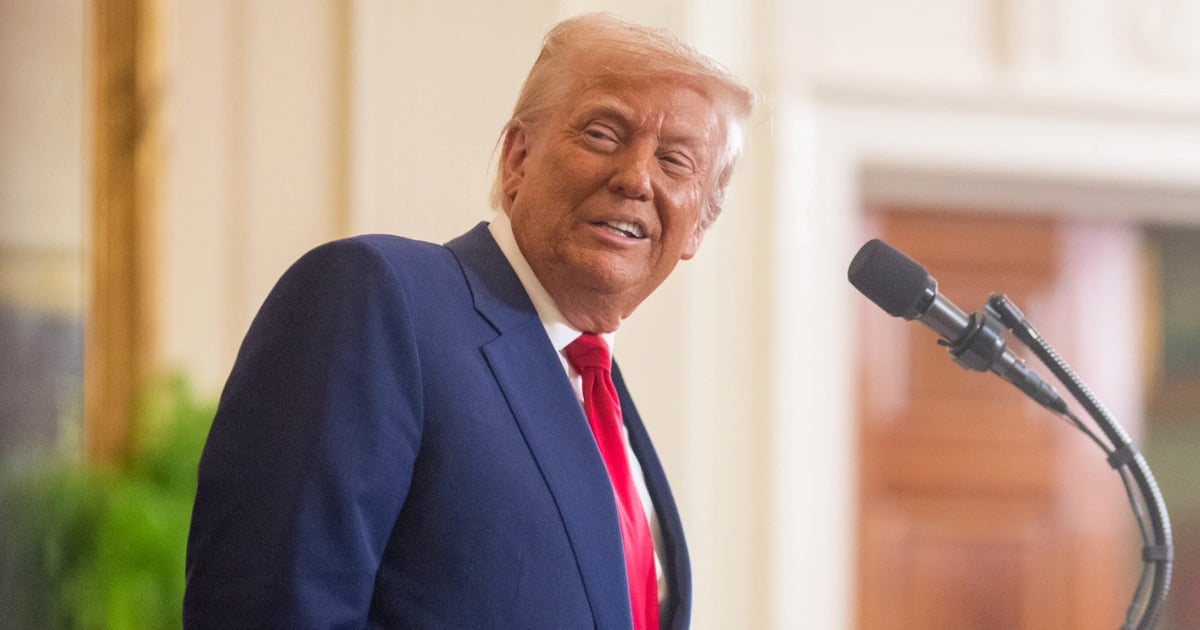
The United States and Japan have reached a landmark trade deal, hailed by Donald Trump as "perhaps the greatest ever made." After tense weeks of negotiations and the looming threat of 25% tariffs, the two countries have settled on a mutual 15% tariff and significant economic and trade concessions from the Asian nation.
According to Trump, this agreement will lead to a $550 billion Japanese investment in the U.S. economy and open traditionally protected Japanese markets, such as automotive and agriculture, to American industries. "This deal will create hundreds of thousands of jobs. There's never been anything like it. Japan will open its country to trade, including cars and trucks, rice, and certain other agricultural products," Trump stated on Truth Social. He added that "the United States will receive 90% of the profits," though he did not provide specifics on the calculation method or legal terms of the agreement.
15% Tariffs and Selective Market Opening
The heart of the agreement is a 15% tariff on Japanese goods entering the United States, replacing Trump's previous threat to raise tariffs to 25%. This new rate includes a 2.5% base tariff and a reduction of the additional tariff, initially set at 25%, to 12.5%, totaling the agreed 15%.
For Japan, a crucial concession involved opening up to American products that have traditionally been excluded from its market. Notably, the "minimum access" system for rice imports—allowing 770,000 tons tariff-free annually—remains in place, a measure active since 1995 under the WTO framework. "They don't accept our RICE. Yet, they have a massive rice shortage," Trump remarked.
In the steel and aluminum sectors, the current 50% tariff will remain unchanged for both countries.
Negotiators' Role and Japan's Reaction
The agreement came after a meeting at the White House between Trump and Japanese negotiator Ryosei Akazawa, who later tweeted "Mission accomplished." Akazawa also met with Commerce Secretary Howard Lutnick and Treasury Secretary Scott Bessent, who had previously stated from Tokyo, "A good deal is more important than a rushed one."
Japanese Prime Minister Shigeru Ishiba has been cautious. While acknowledging that the deal "helps protect the national interests of Japan and the U.S.," he also noted the need to review its details. "We have been negotiating to the limit with all our forces, risking our national interests... I will soon be briefed on the details, so I will examine them carefully," he indicated.
Political Instability in Japan
The signing of the pact comes at a delicate time for Prime Minister Ishiba, whose ruling coalition suffered a significant defeat in the Upper House elections last Sunday. According to the Yomiuri newspaper, Ishiba may consider resigning following this electoral setback, linking his decision to the outcome of trade negotiations with the U.S. "I will explain how I will take responsibility for the defeat once a solution is reached in these trade negotiations," he said.
Market Reactions
The immediate impact on the markets was significant. The Nikkei index rose by 3.21% by midday Wednesday, surpassing 41,000 points. Major Japanese automakers saw substantial gains: Toyota (+10.07%), Honda (+8.56%), and Nissan (+8.75%). Mazda surged 12%, according to Norihiro Yamaguchi, chief economist for Japan at Oxford Economics.
A Broader Context: Washington's Trade Offensive
The deal with Japan is part of a broader campaign by Trump to redefine U.S. trade relations in Asia and globally. That same Tuesday, agreements were also announced with the Philippines, imposing a 19% tariff, and with Indonesia under similar conditions. "This has been a very exciting time for the United States, especially because we will always continue to have a great relationship with Japan," Trump said at a reception with Republican lawmakers.
The deal with the Philippines was described by Trump as the result of "tough negotiations" and allows the U.S. free access to the Filipino market, while Manila will strengthen bilateral military cooperation. With Indonesia, in addition to the 19% tariff, contracts worth over $20 billion were agreed upon, including strategic minerals and aircraft.
Trump also hinted that representatives from the European Union would arrive on Wednesday to begin negotiations, aiming to avoid a transatlantic trade war.
FAQs on the U.S.-Japan Trade Agreement
What are the main features of the new U.S.-Japan trade agreement?
The agreement includes a 15% reciprocal tariff on goods, significant Japanese investment in the U.S., and greater access for American industries to Japanese markets, especially in automotive and agriculture.
How will the agreement impact Japanese and U.S. industries?
The deal is expected to boost Japanese investment in the U.S., create jobs, and open Japan's markets to American products, benefiting sectors like automotive and agriculture.
What is the political context in Japan following the agreement?
The agreement comes at a challenging time for Japanese Prime Minister Shigeru Ishiba, following a significant electoral defeat, with potential implications for his political future.
How did the markets react to the trade agreement?
The Nikkei index rose significantly, and major Japanese automakers saw substantial gains, indicating positive market reactions to the agreement.