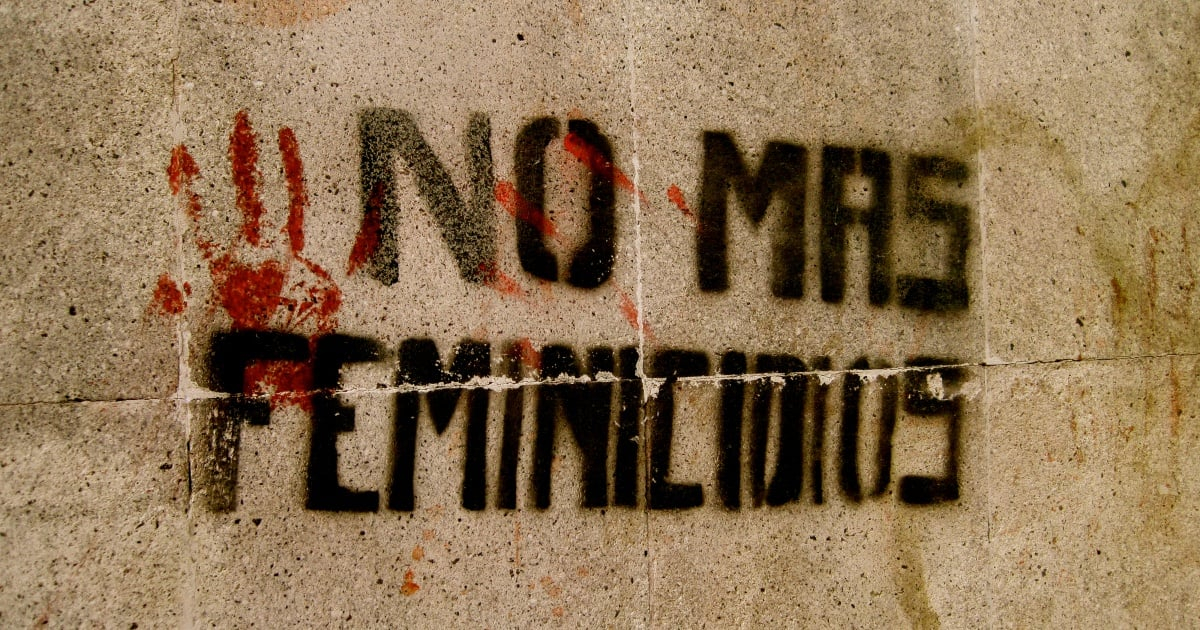
In a groundbreaking move, a Cuban state-controlled media outlet has finally labeled a gender-based murder as "femicidio." Last Monday, Cubadebate published a piece using the term—albeit in its variation "femicidio"—to headline a report on the brutal killing of a woman in the streets of Holguín by her husband, which also left her daughter severely injured. This coverage marks a significant departure for Cuban state media, which has historically shied away from using such terminology.
The news article, detailing the arrest of the man who killed the young woman and attacked her daughter, was picked up by agencies like EFE, which highlighted the rarity of the event: the use of "femicidio" in Cuban official press is virtually unheard of.
A Moment of Recognition Amid Denial
The acknowledgment of this term is not a mere coincidence. It occurs amid mounting social pressure, independent activism, and alternative journalism pushing the regime to confront the evident crisis of gender violence on the island. Independent platforms such as Alas Tensas and Yo Sí Te Creo en Cuba, which independently monitor these incidents, reported over 50 cases in 2024 and have already logged 19 this year.
Up to this point, the government has staunchly denied the existence of femicides in Cuba, hiding behind semantic arguments to divorce these gender crimes from their broader structural and state context. Cuban leader Miguel Díaz-Canel unabashedly dismissed the notion of femicides in March during the Congress of the Federation of Cuban Women (FMC), calling it a foreign media construct unrelated to Cuba's reality.
A Regime of Denial Over Action
The government's reluctance to use the term "feminicidio" is deliberate. Acknowledging it would mean admitting to systemic and structural violence against women, which the state has historically ignored or been complicit in. Instead of enacting effective and transparent public policies, the regime has chosen silence, denial, and the criminalization of independent activists who demand justice and visibility.
The occasional use of the term in Cubadebate feels more like a tactical maneuver to appease international critics and polish its image than a genuine shift in state communication policy. A review of Cubadebate’s past headlines shows that before Monday, "feminicidio" had only appeared four times, never in reference to a crime within Cuba.
Justice in the Shadows
In the specific case of the Holguín crime, neither Cubadebate nor any other official entity named the victim or the aggressor, reinforcing institutional opacity in handling such cases. The absence of public data, statistics, and clear protocols remains the norm, despite the government admitting in July that Cuban courts documented 76 gender-related murders in 2024.
Recently, the creation of a computerized femicide registry was announced, managed by the Prosecutor's Office, Supreme Court, and Ministry of the Interior. However, this registry will not be public, eliminating any chance for citizen oversight or independent auditing.
The Fear of Naming Femicides
The use of "femicidio" in Cubadebate is undoubtedly a milestone. Yet, it also exposes the regime's hypocrisy: while it lauds an "advanced" Family Code, it refuses the most basic acknowledgment that women are killed in Cuba simply for being women. The official silence is not neutral; it kills twice: the victim and her memory.
Recognizing femicide is the first step in combating it. For a state-controlled outlet to finally do so is not a victory for the regime but a triumph for independent feminist activism and a civil society that refuses to forget.
Understanding the Impact of 'Femicidio' Recognition in Cuba
Why is the use of the term "femicidio" significant in Cuban media?
The term "femicidio" signifies an acknowledgment of gender-based violence, which the Cuban regime has historically denied. Its use in official media highlights the pressure from social activism and signals a potential shift in public acknowledgment of these crimes.
What has been the Cuban government's stance on femicides?
The Cuban government has long denied the existence of femicides, often using semantic arguments to distance these crimes from their structural causes. This stance has been a part of a broader strategy to avoid admitting to systemic gender violence.
How have independent platforms contributed to the recognition of femicides in Cuba?
Independent platforms like Alas Tensas and Yo Sí Te Creo en Cuba have been crucial in documenting and verifying cases of femicide, applying pressure on the regime to acknowledge the issue and pushing for greater visibility and justice for the victims.