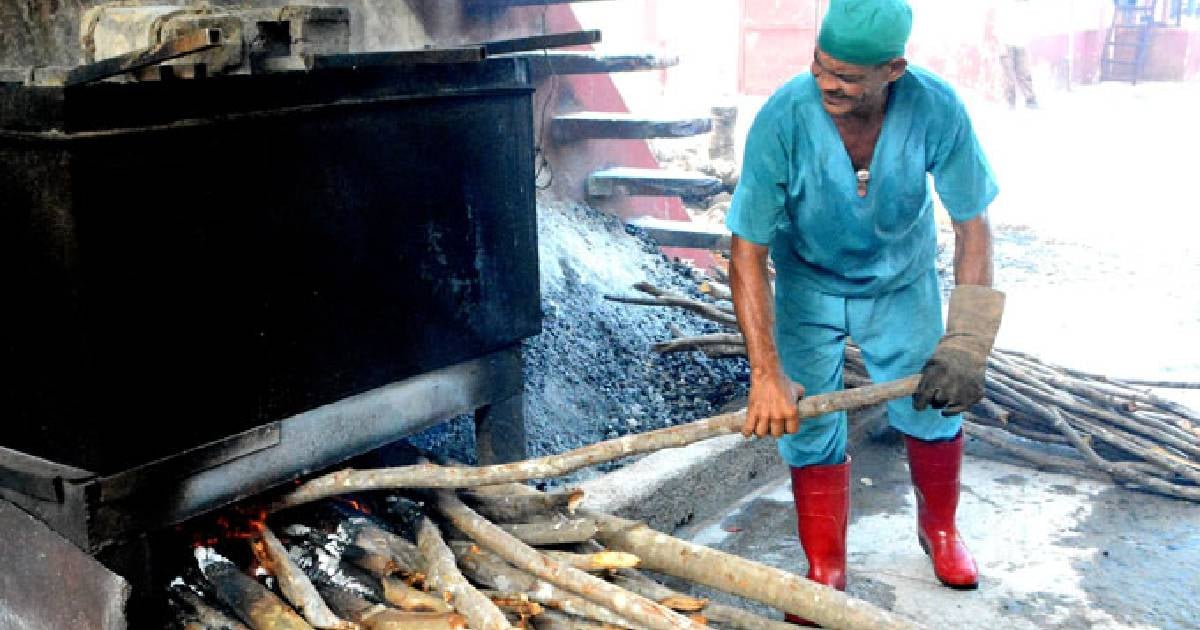
In the wake of dwindling supplies of cattle, pigs, and fuel, the former Inocencio Bladwood meat plant in Niquero, located in Granma province, has shifted from meat production to making sweets and sugarcane juice. This pivot highlights the severe industrial challenges facing Cuba today. With a lack of animals to process and insufficient diesel to operate, the plant, part of the provincial Meat Company, now produces mango slices, molasses, and sugarcane juice instead of sausages, as reported by the state-run newspaper La Demajagua.
According to Alexis la Hera Segura, the plant's director, the facility has managed to process just over 140 tons of sausages in the past two years, using wood for cooking due to fuel shortages. During the same period, 1.3 tons of prepared foods, cane juice, molasses, and mango slices were produced for the residents of Niquero. Meanwhile, products like ham, mortadella, and sausage are sold to the Education sector for school snacks, as well as to other organizations and the general public.
This forced transformation is portrayed by state media as a showcase of ingenuity and perseverance. La Hera emphasized that the diversification has kept the plant running and ensured monthly salaries of up to 13,000 pesos.
The Industrial Shift in Niquero
The transformation at the plant has also led to job changes. Yordanis Torres Capote, once a processing technician, now works as an oven operator—a position that didn't exist before. Yet, this shift reflects a forced adaptation due to the collapse of basic supplies.
Rather than signifying progress or modernization, the plant's new identity underscores the country's regressive production capabilities. The food industry, crippled by shortages of materials, transportation, and electricity, reinvents itself from necessity, not choice. What was once a meat processing hub now survives on minor products, becoming more a symbol of resilience than development.
The Broader Crisis in Cuban Livestock
The "Inocencio Bladwood," now a multi-purpose food production center, has been awarded the Labor Feat flag and promoted as a key player in the municipality's July 26 celebrations. However, the official narrative masks a less triumphant reality: when a slaughterhouse starts producing sweets, it signals a troubling adaptation to scarcity.
Cuba's livestock industry faces a significant crisis, having lost over 900,000 cattle since 2019, according to recent data from the Ministry of Agriculture (MINAG). Presenting these figures to a parliamentary commission, Arián Gutiérrez Velázquez, the Director General of Livestock, noted that by the end of 2024, the cattle population had dropped to just three million, a decrease of nearly 400,000 from the previous year, as reported by the official newspaper Granma.
The decline isn't solely due to natural factors such as mortality but also stems from severe structural issues, including theft and illegal slaughter, which affected over 27,000 animals, both cattle and horses, last year alone. Additionally, the crisis is exacerbated by failures and negligence by state entities and livestock owners.
Other contributing factors include outdated breeding technologies, a shortage of veterinary supplies and feed, deteriorating production infrastructure, and a lack of economic incentives for farmers, all severely impacting cattle breeding and reproduction.
Cuba's Livestock Troubles and Proposed Solutions
Official media recently reported that the collapse of livestock farming in the Jobabo municipality of Las Tunas province is due to years of improvisation, lack of investment, and forgotten strategies. Once a system with productive potential, it now operates at just a third of its pre-2020 milk collection levels.
Cuban farmers have complained that cattle theft and slaughter remain rampant amid the economic crisis and food shortages, severely affecting agricultural economics and food security.
Meanwhile, Camagüey province, once Cuba's largest milk producer, has seen its annual volume plummet to less than half of the 92 million liters it produced in 2019. This decline is not just numerical but indicative of a structural crisis marked by chaos, unpaid debts, and ineffective responses.
A national audit conducted between March 2024 and January 2025 identified 181,854 irregularities in cattle management, according to Yudith Almeida Núñez, head of the MINAG's Livestock Registry Department.
In response, the ministry proposes prioritizing farmers with more than 10 cows, expanding land allocations to successful producers, developing the supply market, and promoting charcoal exports as an economic incentive. They also plan to address water supply issues using renewable energy sources, tackle inefficient use of idle lands overgrown with marabou, and expedite the digitization of livestock records.
Discussions also included the need to organize value and supply chains and encourage productive linkages with national and regional industries to boost milk and meat production.
Understanding Cuba's Livestock Crisis
What led to the transformation of the Inocencio Bladwood plant?
The transformation was driven by a severe shortage of livestock and fuel, forcing the plant to shift from meat processing to producing sweets and sugarcane juice.
How has the livestock crisis impacted Cuban agriculture?
The livestock crisis has led to a significant decrease in cattle numbers, affecting meat and milk production and causing economic and food security challenges.
What measures are proposed to address the livestock issues in Cuba?
Proposed measures include prioritizing successful farmers, expanding land allocations, developing supply markets, promoting exports, and improving infrastructure and technology.
Why is the shift at the Niquero plant seen as a symbol of resilience?
Despite the challenges, the plant's ability to continue operating and paying salaries by diversifying its production is viewed as a testament to resourcefulness and adaptability.