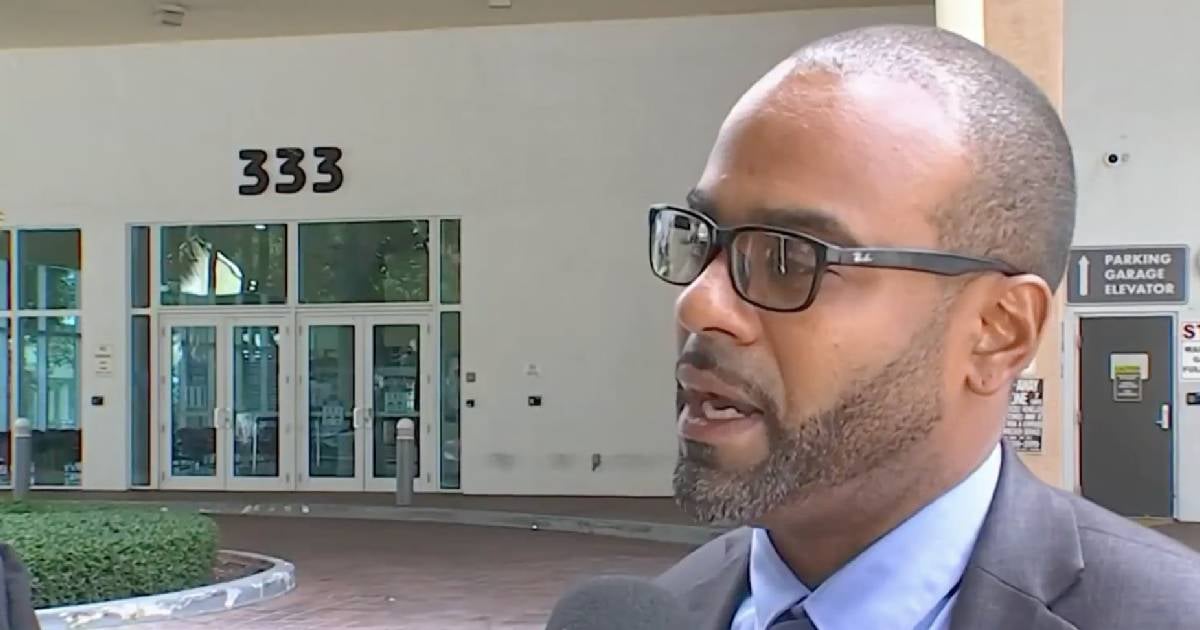
In a recent decision by a Miami Immigration Court, Joel Pérez, a 44-year-old Cuban activist, was denied political asylum in the United States. This verdict has left Pérez, along with human rights advocates and members of the Cuban exile community, deeply disheartened. They see this as yet another instance of the increasing challenges faced by dissidents from the island in being acknowledged as political refugees in the U.S.
Before the hearing, Pérez expressed optimism, believing that the evidence and testimonies supporting his case would be enough to prove his history of arrests, harassment, humiliation, and even kidnappings by the Cuban regime, as reported by Telemundo 51. "Today is going to be a big day for me," he confidently stated. However, after over two and a half hours of deliberation, the judge rejected his claim.
Joel explained that the judge argued his activism did not pose a sufficient risk to warrant asylum. "What I do daily, for her, wasn't enough. She said that as an opponent, I don't even have a 10% chance of winning the case," Pérez remarked, visibly frustrated.
His attorney, Rosaly Chaviano, pointed out that the case included "more evidence than usual," yet the judge questioned the authenticity and age of the documents submitted, a tactic frequently seen in proceedings against Cuban dissidents. "Prosecutors often distrust documents issued by the regime, like official summons, and dismiss evidence for being 'too old,' as if that discredits them," Chaviano criticized.
Chaviano also noted that the court restricted Joel from fully expressing his genuine fear of returning to Cuba, where political repression remains rampant. "He couldn't talk about what he truly experienced or the situation of political prisoners," she stated.
The denial was deemed "outrageous" by Catalina Vázquez of the Clamor de Cuba movement, who warned that cases like Joel's are a blow to all activists committed to freedom on the island. "It's outrageous that, with all the evidence, his activism is deemed to represent just 10%. What more do they want?" she questioned.
Despite the judicial setback, the defense announced plans to appeal the decision before the Board of Immigration Appeals and, if necessary, continue the fight in higher courts. The strategy will incorporate circumstantial evidence valid in asylum cases, such as photographs, eyewitness testimonies, and records of participation in protests and opposition activities. "Not everything has to be direct evidence. Testimonies from those who were at the protests or photos from those events are also valid," Chaviano explained.
Another similar case is unfolding in Miami courts, involving activist Oscar Casanella, who also faces the threat of deportation back to the island. On June 24, the Cuban biochemist spent over six hours appearing before the immigration court, yet the case remains unresolved with no sentence issued.
Understanding Political Asylum Challenges for Cuban Dissidents
What were the main reasons for denying Joel Pérez's asylum request?
The judge claimed that Joel Pérez's activism did not present a sufficient risk to justify asylum, stating he had less than a 10% chance of winning his case.
What evidence did Joel Pérez present to support his asylum plea?
Pérez's case included documents and testimonies demonstrating his history of arrests and harassment by the Cuban regime. Despite this, the judge questioned their authenticity and relevance due to their age.
How does the defense plan to proceed after the asylum denial?
The defense intends to appeal the decision with the Board of Immigration Appeals and, if needed, take the case to higher courts using circumstantial evidence like photographs and witness testimonies.