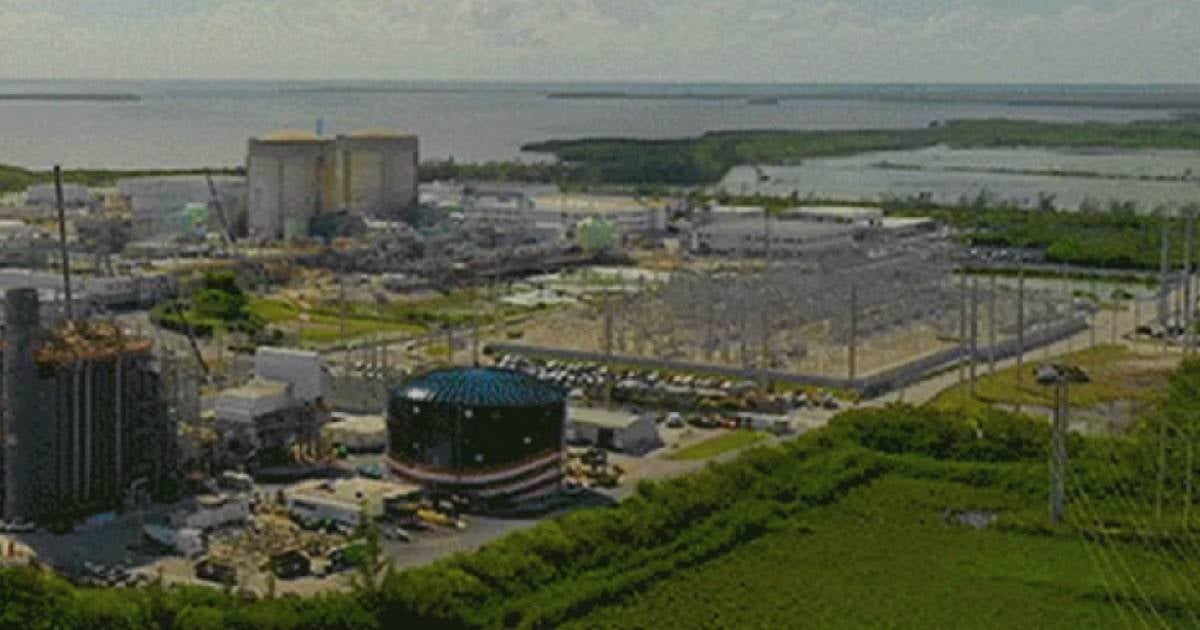
Environmental advocates and members of the Miccosukee Tribe have issued an urgent warning regarding the environmental and safety risks posed by the Turkey Point nuclear facility. Located merely 25 miles from Miami on Florida's Atlantic coast, the plant supplies power to millions but has become increasingly vulnerable due to climate change, rising sea levels, and the intensifying severity of hurricanes.
Operating since 1970, Turkey Point has faced criticism for its susceptibility to severe weather events. "Turkey Point is highly vulnerable for numerous reasons, but the most critical is the proximity of over three million people within a 50-mile radius," stated Rachel Silverstein, executive director of Miami Waterkeeper, in remarks to the Spanish news agency EFE. Silverstein noted that the infrastructure has aged and weathered disasters like Hurricane Andrew in 1992. Presently, rising sea levels and the low elevation of key areas at the plant amplify these risks.
Hurricane Threats Intensify Concerns
The anxiety is mounting with the NOAA forecasting an “extremely active” hurricane season, predicting 17 to 25 named storms this year. "If a Category Five hurricane strikes, the containment wall won't withstand the storm surge," cautioned Curtis Osceola, a policy advisor for the Miccosukee leadership. The ancestral community of the Miccosukee resides in the Everglades, a vital ecosystem neighboring the plant.
Florida Power & Light (FPL), which operates Turkey Point in the agricultural area of Homestead, has dismissed these concerns. Their spokesperson, Desiree Ducasa, pointed out that the plant endured Hurricane Andrew's direct impact without structural damage and has since been reinforced following the Fukushima nuclear disaster in 2011. "Our facility is 20 feet above sea level and shielded against storm surges," Ducasa asserted. Nonetheless, experts highlight that Hurricane Katrina produced an 28-foot surge in 2005, raising doubts about the current defenses.
Environmental and Operational Challenges
In 2016, an area in Biscayne Bay, which houses one of the world's largest coral reef ecosystems, was contaminated by Turkey Point when it leaked water with elevated tritium levels into the sea. A subsequent Miami-Dade government investigation discovered leaks in the cooling canals linked to Turkey Point. The University of Miami study identified tritium, a radioactive hydrogen form, as a "tracer" for nuclear plant leaks.
Beyond climatic threats, environmentalists argue that the plant's extensive cooling canal system—spanning over 170 miles—has fostered a hypersaline plume, endangering the delicate local ecosystem. While FPL acknowledges it will not meet its containment goals by 2028, it claims the area's wildlife, such as the burgeoning American crocodile population, indicates environmental health.
Calls for Modernization and Regulation
Turkey Point operates under an extended license from the Nuclear Regulatory Commission (NRC) for up to 80 years, despite the typical 40 to 60-year lifespan of other plants. This decision has faced appeals from groups like Miami Waterkeeper. Environmentalists and indigenous leaders are urging the plant to adopt modern cooling towers instead of the current open saltwater canals. However, stringent regulations and high costs delay potential upgrades. "The risk accumulates over time. Each year without modernization is another year of exposure," Osceola warned.
FAQs about Turkey Point Nuclear Plant Concerns
What are the main environmental risks associated with Turkey Point?
The main risks include its vulnerability to climate change impacts such as rising sea levels and severe hurricanes, as well as past incidents of radioactive water leaks into Biscayne Bay.
How has Florida Power & Light responded to these concerns?
FPL has dismissed the concerns, emphasizing the plant's resilience during past hurricanes and improvements made post-Fukushima. They assert that the plant is well-protected against storm surges.
Why is there a call for modernizing the cooling systems at Turkey Point?
Environmentalists and indigenous leaders advocate for modern cooling towers to replace the open saltwater canals, which they claim contribute to environmental degradation and potential radioactive leaks.