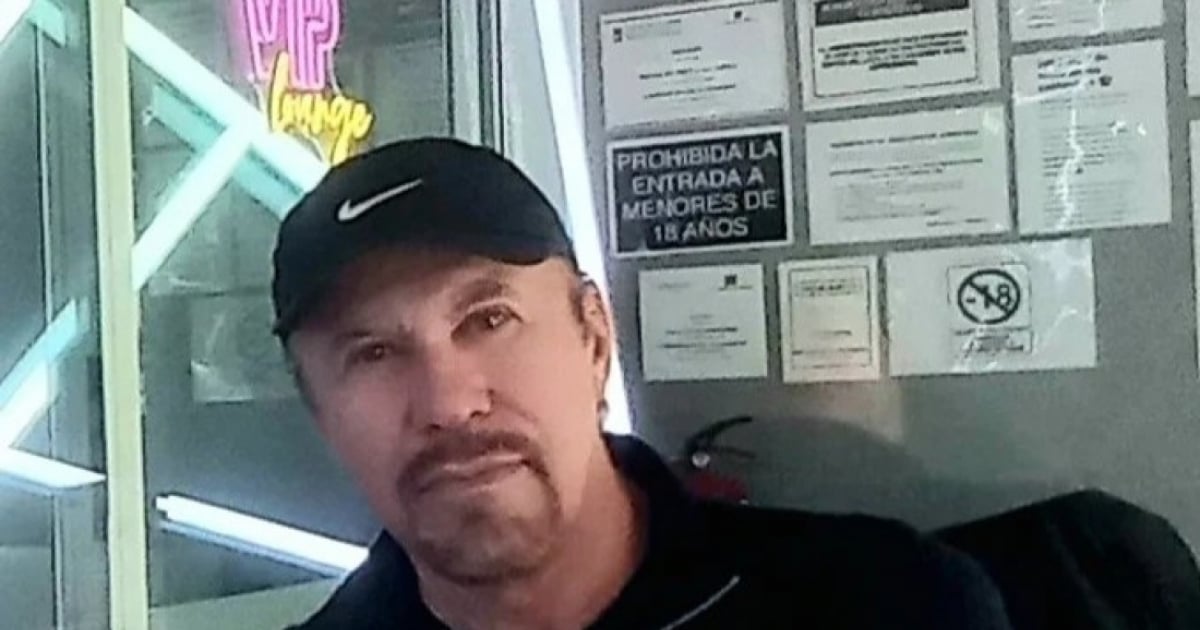
The prominent Cuban actor, Héctor Noas, has fiercely criticized the recent statements made by the now former Minister of Labor and Social Security, Marta Elena Feitó Cabrera. She had controversially denied the existence of beggars in Cuba, accusing them of being "disguised" individuals and "drunks."
In a Facebook post, Noas expressed his disbelief upon hearing the official's remarks during a session of the Cuban Parliament. "I thought it was a video generated by Artificial Intelligence or just a meme, but no! It was as real as it happened during a session of the National Assembly," he wrote, clearly upset.
Noas lamented that the country's legislative body, meant to address the real issues facing the population, has become a venue where the most painful realities of the social crisis are denied. "This has left us in a state of frustration, indignation, and helplessness that's hard to digest," he asserted.
Disconnect Between Government and Reality
The actor accused Cuban leaders of displaying a complete lack of awareness and empathy towards ordinary people, resulting in "erratic policies that only exacerbate poverty and inequality." He directly criticized the government's disconnection from the reality of Cuban citizens.
"When will you come down from your heights and acknowledge the desperate eyes of this people? It's not enough to roll down the car windows. Walk the streets (not in staged visits), talk to the most suffering people who aren't in the front rows, see the increasingly dire conditions, and stop justifying the desolation," he detailed.
Silence in the Assembly
Noas also questioned why no voice in the Assembly countered Feitó's statements. "How can an official at that level say such things and not feel ashamed? Either they are naive or they lie without shame, and believe me, both make them unfit to lead such a delicate project," he wrote, demanding respect for the disadvantaged.
Feitó Cabrera's comments, made on Monday before parliamentary committees, sparked widespread backlash. She claimed that in Cuba "there are no beggars" and that those asking for alms or scavenging do so by choice, not necessity. "They are disguised as beggars," she said, calling the phenomenon an "easy life" to avoid work.
Consequences and Reactions
The controversy quickly led to consequences: mere hours after her comments, the minister resigned, with her resignation being "accepted" by the Political Bureau of the Communist Party of Cuba and the State Council. An official statement acknowledged that Feitó acted with "a lack of objectivity and sensitivity."
Amid the scandal, the ruler Miguel Díaz-Canel seemed to allude to the situation, though without mentioning it directly, by stating, "None of us can act arrogantly [...] disconnected from the realities our people live."
Voices of Dissent
Héctor Noas joins a growing list of intellectuals, artists, and citizens raising their voices in defense of the most vulnerable. In his final message, he made his exhaustion clear: "What else needs to happen for us to stop denigrating the less fortunate and a nation battered from all sides?" His post has been widely shared and commented on across social media, highlighting that for many Cubans, the real issue isn't the people on the streets but those in power who refuse to see them.
Other artists have also voiced their indignation. Renowned actor Luis Alberto García noted that beyond the severity of the minister's words, the most troubling aspect was the complicit silence and lack of reaction from those present. "Not a single deputy or participant in the conclave challenged the minister. And then the white smoke rises from the chimney of the Convention Palace. From which it follows that absolutely everyone there thinks the same way and shares the same perception of what surrounds us," he observed.
Comedian Ulises Toirac went further, describing himself as just another beggar, revealing that he's among those barely avoiding destitution thanks to help from family or friends, inside or outside the country. "I wouldn't make it to the end of the month without help. In Cuba, very few can. We may have clothes and hands that aren't those of beggars, but most of us don't live from our sweat," he wrote.
Cuban humorist Rigoberto Ferrera used irony in a brief video on his Instagram account: "They say there are no beggars in Cuba, that people are disguised as beggars... Could there also be people disguised as ministers?" he questioned. The post was accompanied by a strong statement that resonated with his followers: "They have no shame."
Understanding the Backlash Against Feitó's Comments
What did Héctor Noas criticize about the Cuban government?
Héctor Noas criticized the Cuban government for their disconnection from the reality facing the Cuban people, accusing them of lacking empathy and creating policies that increase poverty and inequality.
Why did Marta Elena Feitó Cabrera resign?
Marta Elena Feitó Cabrera resigned after making controversial statements denying the existence of beggars in Cuba, which sparked widespread backlash and were deemed insensitive and lacking objectivity by the Cuban government.
How did other Cuban artists react to the minister's comments?
Other Cuban artists, such as Luis Alberto García and Ulises Toirac, expressed their indignation and concern over the minister's comments and the lack of response from the Assembly, highlighting the ongoing issues of poverty and government disconnect.