The Cuban Ministry of Foreign Affairs (MINREX) summoned Mike Hammer, the Chargé d'Affaires of the United States in Havana, on Friday, May 30th, to deliver a formal protest note. The regime accused him of engaging in "provocative and irresponsible" behavior by allegedly encouraging Cuban citizens to commit serious crimes and act against the constitutional order.
Leading the meeting was Alejandro García del Toro, Director of Bilateral Affairs of the United States Directorate at MINREX, who conveyed the Cuban government's "strong rejection" of Hammer's actions. He labeled the American diplomat's conduct as disrespectful and interfering.
According to the official statement from MINREX, Hammer is said to have supported demonstrations that align with the “objectives and interests of a hostile foreign power,” referring to the United States. Cuban authorities argue that his actions violate the Vienna Convention on Diplomatic Relations and the bilateral commitments established in the Agreement to Restore Relations between the two nations.
“By inciting Cuban citizens to commit serious criminal acts, undermine the constitutional order, or encourage them to act against authorities in support of a foreign power's interests, the diplomat assumes a provocative and irresponsible stance,” García del Toro warned.
The Cuban government also criticized what they termed as "public and insulting manipulation" of José Martí's legacy by Hammer. MINREX suggested that Hammer's statements about Cuba's National Hero demonstrate a profound ignorance of Martí's independent and anti-imperialist legacy.
During the meeting, the Cuban official presented Hammer with copies of excerpts from Martí's unfinished letter to Manuel Mercado, where Martí warns of the dangers posed by U.S. expansionism to Cuban sovereignty.
This diplomatic friction arises amidst escalating tensions between Washington and Havana, characterized by mutual accusations and a gradual deterioration of bilateral relations. The U.S. Embassy in Cuba has yet to respond to MINREX's statement.
Increased Surveillance on Mike Hammer's Activities in Cuba
For weeks, the Cuban regime has intensified scrutiny of Mike Hammer's activities in Havana. The tension began with his appearances at public and religious events, which authorities interpreted as provocative and meddlesome. Instead of backing down, Hammer has increased his visibility across various regions of Cuba, strengthening his ties with diverse sectors of Cuban society.
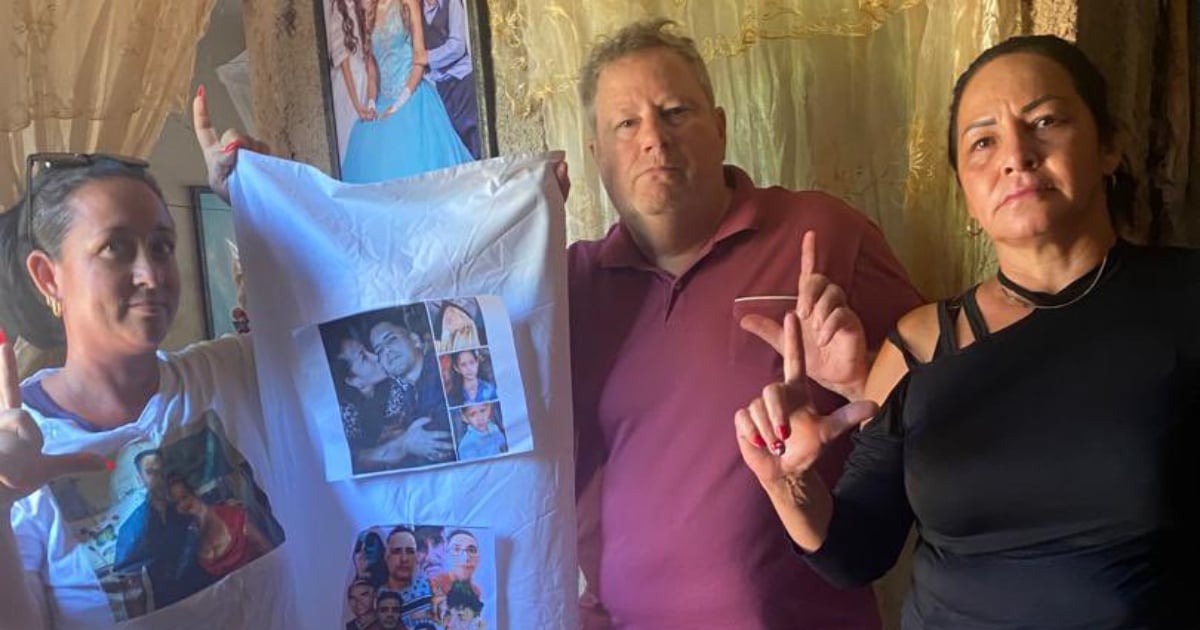
One of the most symbolic moments of Hammer's journey was his visit to José Martí's tomb in Santiago de Cuba, a gesture that added symbolic weight to his agenda amid the growing discontent of the government. He also met with activists, religious leaders, opposition members, families of political prisoners, and ordinary citizens, claiming to have gauged the public sentiment and mood of a significant portion of the Cuban populace.
As Hammer's visits became more widespread, official responses grew more intense. Authorities publicly accused him of lying about the country's situation and promoting a narrative of the regime's failure. Yet, instead of curbing his activities, Hammer amplified them, causing noticeable unease in state media, which expressed concern over what they perceive as a deliberate strategy of internal political influence.
Questions about Diplomatic Tensions between Cuba and the U.S.
What actions led to the Cuban regime summoning Mike Hammer?
The Cuban regime summoned Mike Hammer due to accusations of his alleged encouragement of Cuban citizens to commit serious crimes and act against the constitutional order, which they viewed as provocative and irresponsible behavior.
How did the Cuban government respond to Hammer's activities?
The Cuban government strongly rejected Hammer's actions, labeling them as disrespectful and interfering, while criticizing his manipulation of José Martí's legacy and accusing him of violating diplomatic conventions.
What symbolic actions did Mike Hammer take during his stay in Cuba?
One symbolic action taken by Mike Hammer was his visit to the tomb of José Martí in Santiago de Cuba, a gesture that added significant symbolic weight to his agenda amid governmental dissatisfaction.