The latest wave of tariffs introduced by President Donald Trump is already impacting Florida, a state heavily reliant on international trade. From small shops in Tampa to major importers in the southern regions, rising prices and growing uncertainty are influencing everyday economic decisions.
In April 2025, Trump unveiled a bold tariff package aimed at "restoring America's economic sovereignty." A key element of this plan is a universal 10% tariff on all imports, effective since April 5. Additionally, tariffs targeting specific countries have been established. These measures have faced criticism from economists and business leaders who worry about escalating prices for American consumers and potential international retaliation.
According to reports from the Tampa Bay Times, the repercussions of these tariffs are already being felt across Florida. At TeBella Tea Company in Tampa, owners have resorted to posting notices in-store to explain the price increases to customers. Abigail StClair, the company's founder, faced an extra $11,000 charge for a tea order placed before the new tariffs took effect.
With over $117 billion in annual imports, Florida ranks as the tenth largest importer in the U.S., heavily dependent on goods like timber (from Brazil and Canada), coffee (from Colombia and Mexico), and construction materials. Many of these products are now subject to the new tariffs.
Roberto Torres, owner of the popular Blind Tiger Café, voiced his frustration over the challenge of finding viable local alternatives: “That’s my dilemma. How do I solve it?” He imports coffee and paper cups, both of which are now pricier due to the trade taxes.
While some larger companies utilize foreign trade zones to store goods and delay tariff payments, small businesses lack this flexibility. StClair explained that unlike big chains, they can’t make bulk purchases or negotiate favorable rates. “We don’t have the purchasing power,” she stated.
The atmosphere is cautious: business owners like Torres and StClair are turning to advance purchases, credit lines, and adjustments in their expansion plans. Experts such as Sean Snaith from the University of Central Florida highlight that the real obstacle is the lack of clarity. “The sooner we understand the new rules, the sooner we can start adapting,” he told the Tampa Bay Times.
This uncertainty, described as “regime uncertainty,” can hinder investment, innovation, or expansion decisions, directly affecting economic growth. Consumer confidence has dropped for three consecutive months, according to data from the University of Florida’s Bureau of Economic and Business Research. While some retailers try to cushion the blow by stocking up in advance, this is only a temporary fix.
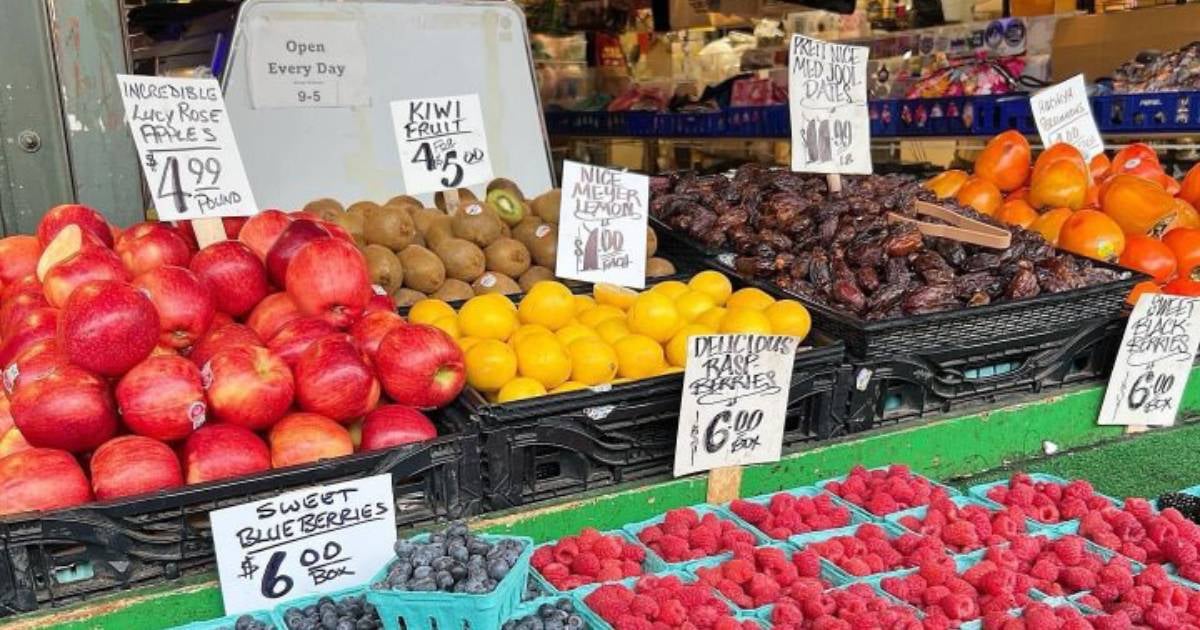
Price increases on groceries, gasoline, and everyday items like coffee or alcohol are becoming evident, especially for middle and working-class communities.
Understanding the Impact of Trump's Tariffs on Florida
Why are Florida residents particularly affected by Trump's tariffs?
Florida is heavily exposed to international trade, being the tenth largest importer in the U.S., which makes it more vulnerable to the effects of increased tariffs on imported goods.
How are small businesses coping with the new tariffs?
Small businesses are trying to manage by making advance purchases, seeking credit lines, and adjusting their expansion plans, although they lack the purchasing power of larger companies.
What is "regime uncertainty" and how does it affect the economy?
Regime uncertainty refers to the lack of clarity in economic policies, which can delay investment, innovation, and expansion decisions, thus negatively impacting economic growth.