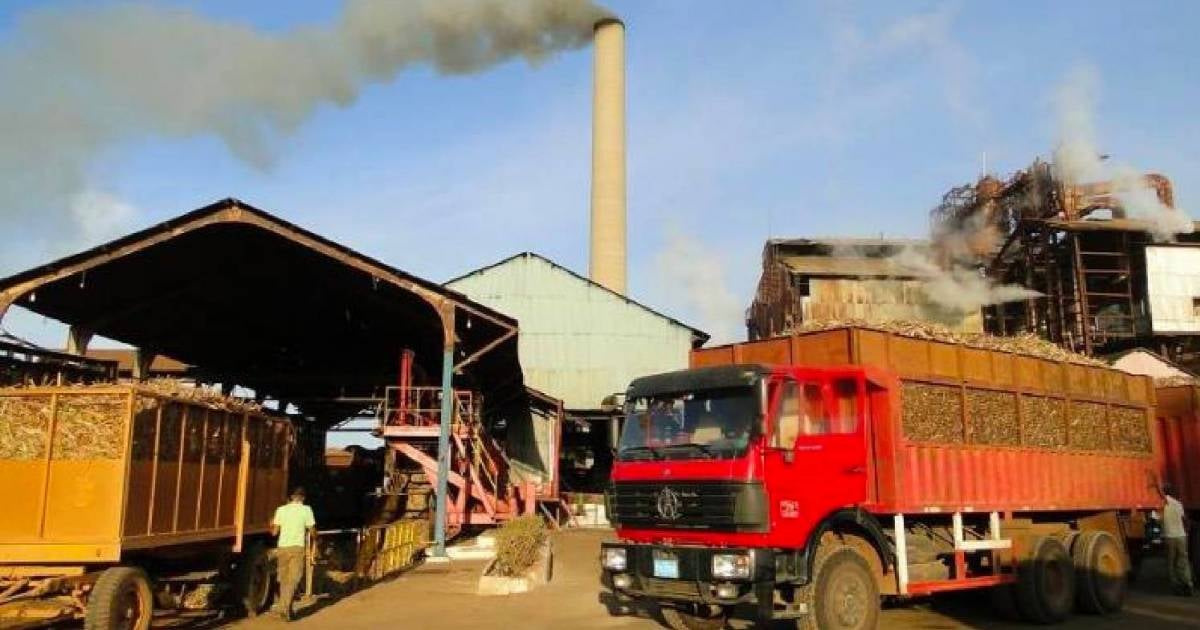
Recent estimates suggest that Cuba's annual sugar production will fall below 200,000 metric tons for the first time since the 19th century. This unprecedented decline, reported by Reuters through official reports and industry sources, marks a dramatic low point for an industry that once served as the economic backbone of the nation and a key element of its national identity. The state-owned company AZCUBA had aimed for a production target of 265,000 metric tons by 2025. However, with the current harvest season nearly concluded, actual production is expected to fall short by at least 100,000 tons, according to these reports.
For context, in 2023, Cuba produced 350,000 tons of sugar, a significant drop from the 1.3 million tons produced in 2019. Back in 1989, during its peak, Cuba was the world's leading exporter of raw sugar, producing an impressive 8 million tons. Nowadays, the island will need to import more sugar than it produces to meet even the most basic domestic demands.
The 2022-2023 harvest season, yielding only 350,000 tons, was the worst since 1898. At that time, during the Cuban War of Independence, the mills produced 300,000 tons.
Impact on the Rum Industry
The collapse of sugar production poses a significant threat to another of Cuba's iconic industries: rum. Official figures reveal that the production of 96% ethanol, a key ingredient in authentic Cuban rum, plummeted by 70%, falling from 573,000 hectoliters in 2019 to just 174,000 in 2024. Other types of alcohol used in some rum varieties have faced a similar decline. "Authentic Cuban rum must be made with alcohol derived from Cuban cane. We're using our stockpiles, but the concern is whether we'll have the raw materials to replenish those reserves," an anonymous foreign industry entrepreneur told Reuters.
Structural Crisis
The reasons behind the collapse are varied: a shortage of essential supplies, industrial bankruptcies, fuel deficits, and poor management. As May progresses, summer rains further diminish the yields of the few remaining operational mills.
Several provinces highlight the severity of the downturn: Sancti Spíritus was the only one to meet its target, barely reaching 19,000 tons; Villa Clara, once a sugar powerhouse, achieved only 38% of its 27,000-ton goal; Cienfuegos met approximately two-thirds of its 38,000-ton objective; and in the eastern region, Las Tunas produced just 5,000 tons, a mere 11% of its plan.
A Decline Without End
Since the fall of the Soviet Union, Cuba’s former benefactor, the sugar industry has been in steady decline. U.S. sanctions, coupled with structural inefficiencies and the impact of the COVID-19 pandemic, have accelerated this downward spiral.
The collapse of the 2025 sugar harvest exacerbates the nation’s structural economic crisis, jeopardizing entire sectors such as food, exports, and industry. What was once "the locomotive of the Cuban economy" now faces a bleak future, with no clear recovery plan in sight.
Frequently Asked Questions About Cuba's Sugar Industry Crisis
What are the main reasons for the decline in Cuba's sugar production?
The decline can be attributed to a combination of factors, including a lack of essential supplies, industrial bankruptcies, fuel shortages, and poor management.
How has the sugar production decline affected Cuba’s rum industry?
The decline has significantly impacted the rum industry, as the production of 96% ethanol, crucial for authentic Cuban rum, has decreased by 70% since 2019.
How does current sugar production compare to historical levels?
Current production is a fraction of historical levels, with 2025 projections falling below 200,000 metric tons, a stark contrast to the 8 million tons produced in 1989.